3D Printing of Biomimetic Porous Catalytic Structures: Advanced Fabrication for Next-Generation Biomedical Reactors and Drug Synthesis
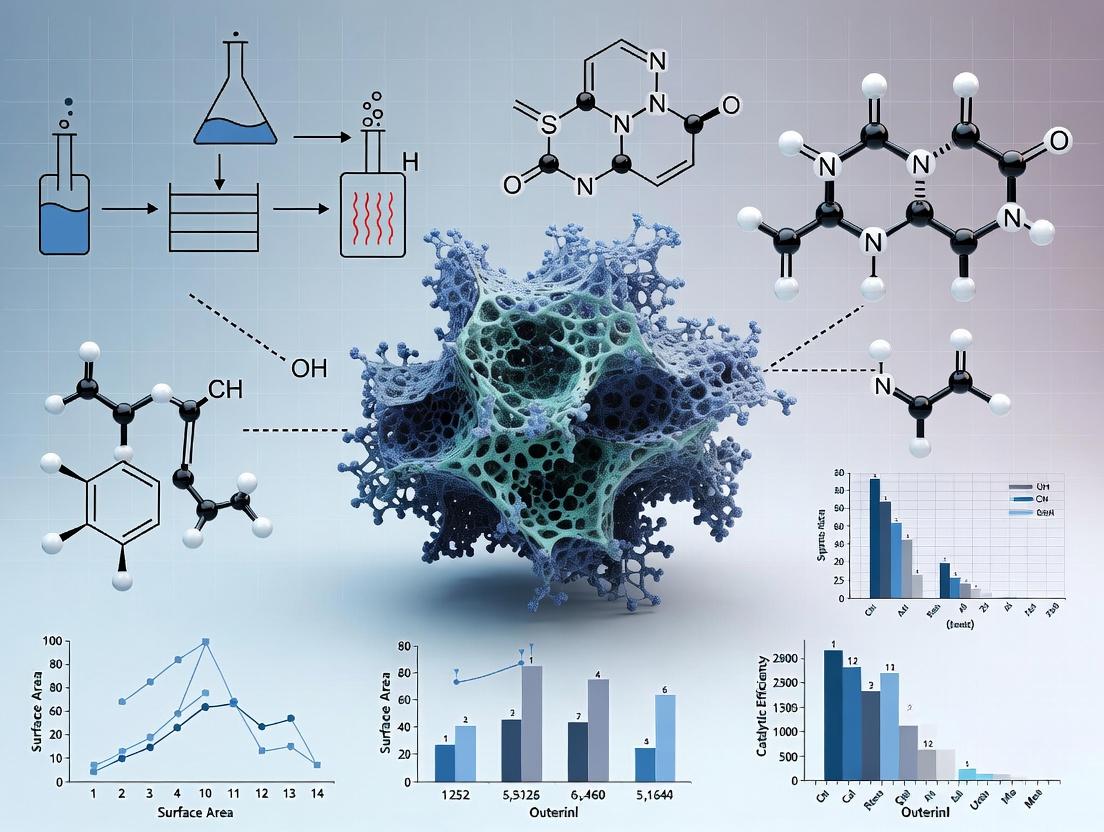
This comprehensive review explores the cutting-edge intersection of additive manufacturing, biomimicry, and catalysis.
3D Printing of Biomimetic Porous Catalytic Structures: Advanced Fabrication for Next-Generation Biomedical Reactors and Drug Synthesis
Abstract
This comprehensive review explores the cutting-edge intersection of additive manufacturing, biomimicry, and catalysis. We examine the principles of designing and 3D printing porous structures that mimic biological systems—such as bone, lung alveoli, and plant vasculature—to create highly efficient catalytic devices. The article details material selection, printing methodologies (including vat photopolymerization, powder bed fusion, and direct ink writing), and functionalization techniques for embedding catalytic nanoparticles or enzymes. We address key challenges in resolution, material reactivity, and scalability, while evaluating performance through fluid dynamics, reaction kinetics, and comparative analyses with traditional catalytic beds. Targeted at researchers and drug development professionals, this work highlights the transformative potential of these structures in enabling compact, efficient, and customizable reactors for continuous-flow chemistry, point-of-care drug synthesis, and personalized medicine.
The Blueprint of Nature: Principles and Designs for Biomimetic Porous Catalysts
The design of biomimetic porous catalytic structures for 3D printing is informed by quantitative metrics derived from biological systems. These metrics govern mass transfer, surface area, and mechanical stability.
Table 1: Quantitative Parameters of Natural Porous Structures
| Biological Structure | Porosity (%) | Pore Size Range (µm) | Surface Area to Volume Ratio (mm⁻¹) | Primary Function |
|---|---|---|---|---|
| Human Trabecular Bone | 50-90 | 200-2000 | 10-25 | Load-bearing, nutrient transport |
| Wood (Oak) | 40-70 | 10-100 (vessels) | 50-200 | Fluid conduction, structural support |
| Leaf Vascular Network | 15-40 | 5-50 (xylem/phloem) | 200-500 | Optimized fluid distribution, gas exchange |
| Coral Skeleton | 60-85 | 100-1000 | 20-100 | Filtration, light harvesting |
| Sea Sponge (Spongia) | 40-75 | 50-500 (oscula) | 100-300 | High-flow filtration |
Table 2: Key Structural Metrics for Catalytic Design
| Metric | Bone-Inspired | Vascular-Inspired | Target for Catalytic Structures |
|---|---|---|---|
| Permeability (Darcy) | 10⁻¹² - 10⁻⁹ m² | 10⁻¹⁰ - 10⁻⁷ m² | >10⁻⁸ m² |
| Tortuosity | 1.5 - 3.0 | 1.1 - 1.8 | <2.0 |
| Pore Connectivity (%) | 95-100 | 85-100 | 100 |
| Wall Thickness / Pore Size Ratio | 0.1 - 0.5 | 0.05 - 0.2 | 0.1 - 0.3 |
Experimental Protocols
Protocol 1: Image-Based Reconstruction of Bone Microarchitecture for 3D Model Generation
Purpose: To convert micro-CT scan data of trabecular bone into a printable, biomimetic porous lattice.
- Sample Imaging: Obtain a trabecular bone core sample (e.g., from bovine femur). Fixate in 70% ethanol. Scan using a micro-CT system (e.g., SkyScan 1272) at 10 µm isotropic resolution, 80 kV, 125 µA.
- Image Processing: Reconstruct raw projections using NRecon software. Apply a Gaussian blur (sigma=1) and global threshold (Otsu's method) to binarize the image stack, separating bone from pore space.
- Model Generation: Import TIFF stack into 3D analysis software (e.g., ImageJ with BoneJ plugin). Calculate porosity, thickness, and connectivity. Export the segmented volume as an STL file.
- Design Adaptation: Import STL into CAD software (e.g., Autodesk Netfabb). Apply a periodic unit cell replication or use the structure as a seed for a Voronoi tessellation algorithm. Scale pore size to target range (300-800 µm) for catalytic applications.
- Validation: Perform a computational fluid dynamics (CFD) simulation (e.g., in COMSOL) to quantify pressure drop and flow distribution.
Protocol 2: Synthesizing a Leaf-Venation-Inspired Hierarchical Vascular Network
Purpose: To design and fabricate a multiscale, branching fluidic network optimized for reagent delivery in a catalytic monolith.
- Algorithmic Design: Implement a space-filling, fractal-based algorithm (e.g., Murray's Law adaptation) in MATLAB or Python.
- Inputs: Inlet point(s), outlet boundary, target volume.
- Parameters: Branching angle (60-75°), diameter ratio between parent and daughter branches (theoretical optimum ~1.26), minimum printable feature size (e.g., 150 µm).
- Model Generation: The algorithm outputs a 3D network of interconnected cylindrical channels. Convert channel skeletons to solid 3D tubes and Boolean union them into a solid block representing the catalyst support.
- 3D Printing Preparation: Export as STL. Slice for a Digital Light Processing (DLP) printer using a ceramic resin (e.g., 80 wt% γ-Al₂O₃ in methacrylate). Set layer thickness to 25 µm.
- Post-Processing: Print, wash in isopropanol, and cure under UV. Debind and sinter in a furnace: ramp at 1°C/min to 600°C (2 hr hold), then 3°C/min to 1400°C (4 hr hold), cool at 5°C/min.
Protocol 3: Functionalization with Catalytic Nanomaterial
Purpose: To deposit a uniform, high-surface-area catalytic coating (e.g., Pt/TiO₂) onto the 3D printed biomimetic scaffold.
- Scaffold Activation: Place sintered alumina scaffold in a 1 M nitric acid bath for 1 hour. Rinse with deionized water and dry at 120°C for 2 hours to create a hydroxylated surface.
- Sol-Gel Dip Coating: Prepare a titania sol-gel precursor: Mix 5 ml titanium(IV) isopropoxide with 20 ml ethanol. Add a separate mixture of 1 ml 0.1 M HCl and 5 ml ethanol dropwise under vigorous stirring. Stir for 1 hour.
- Coating: Immerse the activated scaffold in the sol for 60 seconds. Withdraw at a controlled rate of 2 mm/s. Dry at 100°C for 15 min, then calcine at 500°C for 1 hour (ramp: 5°C/min).
- Metal Deposition: Use incipient wetness impregnation. Calculate pore volume of scaffold (~100 µL for a 1 cm³ piece). Add an equal volume of aqueous H₂PtCl₆ solution (concentration to yield 1 wt% Pt on final catalyst) dropwise. Rest for 2 hours, dry at 120°C overnight, reduce under H₂ flow at 300°C for 2 hours.
Visualization of Workflows and Relationships
Diagram 1: Biomimetic catalyst fabrication workflow
Diagram 2: Bio-principle to application logic
The Scientist's Toolkit: Key Research Reagent Solutions
Table 3: Essential Materials for Biomimetic Porous Catalyst Research
| Material / Reagent | Function | Example Product / Specification |
|---|---|---|
| Photocurable Ceramic Resin | Base material for high-resolution 3D printing of scaffolds. | 3DCeram C100 LAS (Al₂O₃ >80%), or in-house formulation (e.g., ZrO₂ in methacrylate). |
| Titanium(IV) Isopropoxide | Precursor for sol-gel deposition of high-surface-area TiO₂ coating. | Sigma-Aldrich, 97% purity, stored under N₂. |
| Hexachloroplatinic Acid | Source for platinum nanoparticles via impregnation/reduction. | H₂PtCl₆ • 6H₂O, 8 wt% Pt solution in water. |
| Silane Coupling Agent | Improves adhesion between ceramic scaffold and catalytic coating. | (3-Aminopropyl)triethoxysilane (APTES). |
| Computational Software | For modeling fluid dynamics, stress, and reaction kinetics in porous media. | COMSOL Multiphysics with "Transport of Diluted Species" & "Fluid Flow" modules. |
| Micro-CT Calibration Phantom | Ensures accurate porosity and morphometric measurement from imaging. | Bruker Micro-CT hydroxyapatite phantom with known density. |
The design of heterogeneous catalysts is fundamentally governed by the accessibility of active sites. In biomimetic catalytic structures produced via 3D printing, this translates to a direct imperative: maximizing porosity and surface area without compromising structural integrity. Recent advances in additive manufacturing enable the precise replication of hierarchical, biomimetic pore networks observed in natural enzymatic systems, leading to unprecedented catalytic efficiencies in applications ranging from continuous-flow pharmaceutical synthesis to environmental remediation.
Key Application Notes:
- Enhanced Mass Transfer: Interconnected macro-pores (>50 nm) reduce diffusion limitations, allowing reactant molecules to rapidly access the catalytic interior.
- Active Site Density: Micro- (2 nm) and meso-pores (2-50 nm) exponentially increase the available surface area for immobilizing catalytic nanoparticles (e.g., Pd, Pt, enzymes).
- Spatial Gradients & Multi-Functionality: 3D printing allows for the spatial patterning of different catalytic materials within a single monolithic structure, enabling tandem reactions.
- Tailored Hydrodynamics: Printed channel geometries can be optimized to modulate fluid residence time and mixing, directly impacting reaction yield.
Table 1: Impact of Pore Architecture on Catalytic Performance in 3D-Printed Structures
| Material System | Fabrication Method | Avg. Surface Area (m²/g) | Total Porosity (%) | Pore Size Distribution | Key Catalytic Metric (e.g., Turnover Frequency) | Reference/Year |
|---|---|---|---|---|---|---|
| TiO₂-Zeolite Composite | Direct Ink Writing (DIW) | 312 | 68% | Macro (100µm) / Meso (10nm) | 4.7x higher photocatalytic degradation rate vs. packed bed | Adv. Mater. 2023 |
| Enzyme-Loaded Hydrogel | Stereolithography (SLA) | 45 (wet state) | 85% | Macro (200µm) interconnected | 92% conversion in continuous flow bioreactor; 50-day stability | ACS Catal. 2024 |
| Pd/Al₂O₃ on SiOC | Digital Light Processing (DLP) | 280 | 72% | Hierarchical: 50µm, 2µm, 5nm | TOF: 12,500 h⁻¹ for Suzuki coupling; 99% selectivity | Nature Comm. 2023 |
| Carbon Nanotube-Graphene | DIW with Coaxial Nozzle | 620 | 91% | Micro/Meso dominated (2-30nm) | Current Density: 450 mA/cm² in fuel cell electrode | Science Adv. 2024 |
Table 2: Comparative Analysis of 3D Printing Techniques for Porous Catalysts
| Technique | Typical Resolution | Porosity Control | Compatible Materials | Key Advantage for Catalysis |
|---|---|---|---|---|
| Direct Ink Writing (DIW) | 100 µm - 1 mm | High (via filament & spacing) | Ceramics, Polymers, Composites, Gels | Excellent for hierarchical, multi-material structures |
| Stereolithography (SLA) | 25 - 100 µm | Medium-High (via laser path) | Photopolymers, Ceramic/ Polymer Slurries | High-resolution, complex internal channels |
| Digital Light Processing (DLP) | 10 - 100 µm | Medium (via voxel design) | Photopolymers, Slurries | Faster print speed for lattices and gyroids |
| Fused Deposition Modeling (FDM) | 200 µm - 1 mm | Low-Medium (via infill %) | Thermoplastics (PLA, ABS) | Low-cost sacrificial templates for inverse structures |
Experimental Protocols
Protocol 1: Fabrication of Hierarchical Pd/Al₂O₃ Catalyst via DLP 3D Printing
Objective: To create a monolithic, porous ceramic support with immobilized Pd nanoparticles for cross-coupling reactions.
Materials: See "The Scientist's Toolkit" (Section 5).
Methodology:
- Slurry Preparation: Combine 40 vol% Al₂O₃ nanoparticles (50nm), 10 vol% reactive silicone resin, 4.0 vol% photoinitiator (TPO-L), and 46 vol% solvent (1:1 weight ratio of terpineol to dibutyl phthalate). Mill for 24h.
- 3D Printing: Load slurry into DLP printer vat. Print the designed gyroid lattice structure (unit cell = 500 µm, strut thickness = 100 µm) layer-by-layer (50µm layer height) using 405 nm light at 15 mW/cm² with 4s exposure per layer.
- Debinding & Pyrolysis: Cure printed green body at 120°C for 1h. Thermally treat in N₂ atmosphere: ramp at 1°C/min to 600°C (hold 2h for polymer removal), then ramp at 5°C/min to 1100°C (hold 2h for ceramization) to yield a porous SiOC/Al₂O₃ composite.
- Wet Impregnation: Immerse the pyrolyzed monolith in 10 mM aqueous PdCl₂ solution under vacuum for 30 min. Remove, blot dry, and dry at 80°C for 12h.
- Reduction: Reduce Pd²⁺ to Pd⁰ under flowing H₂/N₂ (5:95) at 300°C for 2h.
- Characterization: Perform SEM for morphology, N₂ physisorption for surface area/porosity, and XRD for Pd crystallite size.
Protocol 2: Activity Testing for Continuous-Flow Suzuki-Miyaura Coupling
Objective: To evaluate the catalytic performance of the 3D-printed monolith from Protocol 1.
Materials: Printed Pd/Al₂O₃ monolith, 4-bromotoluene, phenylboronic acid, K₂CO₃ base, ethanol/water solvent mixture (4:1), HPLC system, tubular flow reactor.
Methodology:
- Reactor Setup: Secure the monolith in a 6 mm ID PFA tube reactor. Connect to an HPLC pump and a back-pressure regulator (5 bar).
- Reaction Solution: Prepare 10 mL of 0.1M 4-bromotoluene, 0.15M phenylboronic acid, and 0.3M K₂CO₃ in EtOH/H₂O.
- Flow Reaction: Pump the solution through the reactor at 25°C at varying flow rates (0.1 - 1.0 mL/min) to modulate residence time (τ).
- Analysis: Collect effluent and analyze by HPLC. Calculate conversion (%) and selectivity to 4-methylbiphenyl.
- TOF Calculation: Calculate Turnover Frequency (TOF, h⁻¹) as: (moles product) / (moles surface Pd * time). Determine surface Pd via CO chemisorption.
Visualizations
Catalyst Fabrication & Testing Workflow
Pore Hierarchy Drives Catalytic Performance
The Scientist's Toolkit: Essential Research Reagents & Materials
| Item | Function | Example/CAS |
|---|---|---|
| Alumina Nanoparticles | Primary ceramic scaffold providing thermal stability and surface area. | γ-Al₂O₃, 50nm, 1344-28-1 |
| Silicone Resin (Reactive) | Pre-ceramic polymer binder that converts to SiOC during pyrolysis, adding strength. | SPR-684, Polysiloxane |
| Photoinitiator (TPO-L) | Absorbs 405 nm light to initiate polymerization of the slurry during DLP printing. | Ethyl (2,4,6-trimethylbenzoyl) phenylphosphinate, 84434-11-7 |
| Pd Precursor | Source of catalytic palladium nanoparticles via impregnation and reduction. | Palladium(II) chloride, 7647-10-1 |
| Gyroid Lattice Model (STL) | Digital design file defining the biomimetic, triply periodic minimal surface pore structure. | CAD software generated |
| Terpineol / DBP Solvent Mix | Solvent system for tuning slurry viscosity and evaporation rate. | α-Terpineol, 98-55-5 / Dibutyl phthalate, 84-74-2 |
| Back-Pressure Regulator | Maintains liquid phase in continuous flow reactor at elevated temperatures. | Upchurch Scientific, 0-100 psi |
| HPLC with PDA Detector | For quantitative analysis of reaction conversion and selectivity in real-time. | Agilent 1260 Infinity II |
Application Notes
The integration of 3D printing with bio-inspired design principles is revolutionizing the fabrication of porous catalytic structures, such as monolithic flow reactors and immobilized enzyme scaffolds. These architectures leverage natural models—like the hierarchical porosity of bone, the minimal surfaces of trabeculae, and the efficient fluid dynamics of lungs—to achieve superior mass transfer, active site density, and catalytic efficiency compared to traditional pellets or packed beds. The following notes detail key application paradigms and quantitative performance gains.
Table 1: Quantitative Performance of 3D-Printed Bio-Inspired Catalytic Structures
| Bio-Inspired Architecture | Base Material | Printing Technology | Key Metric | Reported Value | Benchmark (Traditional) | Ref. |
|---|---|---|---|---|---|---|
| Triply Periodic Minimal Surface (TPMS) - Gyroid | Alumina (Al2O3) | Digital Light Processing (DLP) | Surface Area/Vol (m²/m³) | ~1.5 x 10⁵ | ~5 x 10⁴ (Packed Bed) | [1] |
| Lung-Inspired Bifurcating Network | Photopolymer-Resin/Enzyme Composite | Stereolithography (SLA) | Pressure Drop (kPa) | 0.8 | 12.5 (Chaotic Mixer) | [2] |
| Bone-Trabeculae Mimetic Scaffold | Polylactic Acid (PLA) / Palladium | Fused Deposition Modeling (FDM) | Catalytic Conversion (%) | 98.5 | 87 (Slurry Reactor) | [3] |
| Nested Volute (Nautilus-inspired) | TiO2-Zeolite Composite | Direct Ink Writing (DIW) | Space-Time Yield (mol·L⁻¹·h⁻¹) | 2.34 | 1.05 (Fixed Bed) | [4] |
Protocols
Protocol 1: Fabrication of TPMS (Gyroid) Monolithic Catalyst via DLP Objective: To create a high-surface-area, low-pressure-drop ceramic catalytic substrate. Materials: See "Research Reagent Solutions" below. Procedure: 1. Design: Generate a 3D Gyroid lattice model (unit cell size: 3mm, porosity: 80%) using CAD/nTopology software. Apply Boolean operations to create a cylindrical flow-through monolithic form (Ø10mm x 30mm). 2. Slurry Preparation: In a light-blocking container, mix 45 vol% photocatalytic TiO2 nanopowder (P25), 35 vol% Al2O3 powder, 18.5 vol% UV-curable monomer (HDDA), 1.5 vol% photoinitiator (TPO), and dispersant (BYK-111). Homogenize via planetary centrifugal mixer (2000 rpm, 2 min) and degas under vacuum. 3. Printing: Load slurry into DLP printer reservoir. Slice model to 50µm layer thickness. Print with 405nm UV light (exposure time: 8s/layer). Use isopropanol as a support material wash. 4. Post-Processing: Cure green body under UV light (365nm, 30 min). Debind in a furnace: heat at 1°C/min to 600°C, hold for 2h. Sinter: heat at 3°C/min to 1350°C, hold for 4h, cool at 5°C/min. 5. Catalyst Functionalization: Immerse sintered monolith in 0.1M aqueous PdCl2 solution for 1h. Rinse, dry, and reduce under H2 flow at 300°C for 2h.
Protocol 2: Co-Immobilization of Enzyme Cascade on 3D-Printed Polymer Scaffold Objective: To create a multi-enzyme reactor for drug metabolite synthesis. Materials: SLA-printed diacrylate-based polymer scaffold (bone-mimetic pore structure), Enzyme A (Cytochrome P450 variant), Enzyme B (Formate dehydrogenase), Polyethylenimine (PEI, 25 kDa), Glutaraldehyde (2.5% v/v), Sodium Periodate (NaIO4, 10mM). Procedure: 1. Scaffold Activation: Oxidize scaffold surface by immersion in 10mM NaIO4 for 1h at 4°C to generate aldehyde groups. Rinse with cold PBS (pH 7.4). 2. Enzyme Conjugation (Sequential): a. Incubate scaffold in 2 mg/mL PEI solution (in 0.1M bicarbonate buffer, pH 9.0) for 3h. Rinse. b. Crosslink with 2.5% glutaraldehyde for 1h. Rinse thoroughly. c. Immerse in Enzyme A solution (5 mg/mL in PBS, pH 7.2) for 12h at 4°C. Quench with 1M Tris-HCl (pH 7.5). d. Incubate in Enzyme B solution (3 mg/mL in PBS) for 6h at 4°C. 3. Reactor Assembly: Mount functionalized scaffold into a custom PTFE flow cell. Connect to a syringe pump and fraction collector. 4. Activity Assay: Pump substrate solution (1mM drug precursor + 20mM formate in 50mM Tris-HCl, pH 8.0) at 0.2 mL/min. Collect effluent and analyze by HPLC for metabolite yield.
Diagrams
Title: Bio-inspired 3D Printing Workflow
Title: Immobilized Enzyme Cascade Pathway
Research Reagent Solutions
Table 2: Essential Materials for Bio-inspired 3D Printing of Catalysts
| Item | Function / Role | Example (Supplier) |
|---|---|---|
| Photocurable Ceramic Slurry | Forms the printable 'ink' for DLP; contains ceramic powder and UV-sensitive resins. | Ceramic Resin for DLP (Nanoe Zetamix) |
| Metal Salt Precursor | Source of catalytic metal for post-printing functionalization (e.g., wet impregnation). | Palladium(II) Chloride (PdCl2, Sigma-Aldrich) |
| Functional Monomer | Provides surface groups (-COOH, -NH2) for covalent enzyme immobilization on printed polymers. | Acrylic Acid / N-Hydroxysuccinimide ester-modified resin (CELLINK) |
| Crosslinking Agent | Creates stable covalent bonds between the scaffold surface and enzymes/biomolecules. | Glutaraldehyde, 25% aqueous solution (Thermo Fisher) |
| High-Surface-Area Oxide Powder | Base catalyst or support material to enhance active site density in composites. | Aeroxide TiO2 P25 (Evonik) |
| Supporting Ligand / Co-polymer | Improves dispersion of particles in ink and stability of printed structure. | Polyvinylpyrrolidone (PVP, MW 40k) or BYK Dispersants |
| Biocompatible UV Resin | Enables SLA printing of scaffolds for direct use in (bio)catalysis without toxic leaching. | PEGDA (Poly(ethylene glycol) diacrylate) based resin (Formlabs Dental SG) |
This document provides application notes and protocols for the selection and processing of core materials in the 3D printing of biomimetic porous catalytic structures. This work is framed within a broader thesis that seeks to emulate biological efficiency and selectivity in heterogeneous catalysis. The goal is to guide researchers in fabricating structured catalysts with controlled porosity, active site distribution, and multi-scale architectures, mirroring natural systems like enzymes or cellular networks.
Core Material Classifications: Properties & Applications
Table 1: Comparative Properties of Core 3D Printing Materials for Catalytic Structures
| Material Class | Example Materials | Typical Fabrication Method(s) | Key Catalytic Advantages | Thermal Stability (°C) | Typical Surface Area (m²/g) | Primary Applications in Biomimetic Catalysis |
|---|---|---|---|---|---|---|
| Polymers | PLA, ABS, PEEK, Resins (e.g., PEGDA) | FDM, SLA, DLP | Rapid prototyping, complex pore networks, functionalizable surfaces | 60-350 | < 1 (bulk) | Template/support for secondary active coating, enzyme immobilization, microfluidic reactors. |
| Ceramics | Al₂O₃, SiO₂, ZrO₂, TiO₂, SiC | SLA/DLP with ceramic slurry, Direct Ink Writing (DIW), Binder Jetting | High thermal/chemical stability, intrinsic catalytic activity (e.g., TiO₂), high surface area possible. | > 1000 | 10 - 300+ | High-temperature catalysis (e.g., combustion, reforming), photocatalytic structures, corrosion-resistant supports. |
| Metals | Stainless Steel, Ti, Ni alloys, Cu | SLM, DMLS, FDM (with metal-filled filament) | High thermal conductivity, mechanical strength, some intrinsic catalytic activity (e.g., Ni). | Varies (up to ~1400 for some alloys) | Low (bulk, but can be porous) | Structured reactors for exothermic reactions, fuel cell components, conductive catalytic substrates. |
| Composites | Polymer-Ceramic, Polymer-Metal, Carbon-based (e.g., graphene/PLA) | DIW, FDM, SLA | Tailored properties (e.g., conductive polymer composites), combined stability & functionality. | Dependent on matrix | Variable, can be high | Multifunctional catalysts, electrically heated catalysts, enhanced enzyme supports. |
Application Notes & Detailed Protocols
Protocol 1: Direct Ink Writing (DIW) of Ceramic-Based Biomimetic Monoliths
Objective: To fabricate a hierarchically porous γ-Al₂O₃ monolith with a wood-pile structure mimicking vascular networks for catalytic support.
Research Reagent Solutions:
- Ceramic Precursor: Boehmite (γ-AlOOH) powder (Provides the alumina source).
- Binder/Dispersant: Polyvinyl alcohol (PVA) solution (4 wt%) (Controls rheology and green strength).
- Gelling Agent: D-Mannitol (Creates secondary porosity upon dissolution).
- Acid Catalyst: Nitric Acid (HNO₃, 0.5 M) (Peptizes boehmite to form a stable colloidal gel).
- Plasticizer: Glycerol (Enhances filament flexibility during printing).
- DIW Printer: A 3-axis deposition system equipped with a precision syringe pump or pneumatic extruder and a conical nozzle (250-410 µm diameter).
Procedure:
- Ink Preparation: In a planetary mixer, combine 60 wt% boehmite powder with 30 wt% PVA solution (4%). Add 5 wt% D-mannitol and 5 wt% glycerol. Slowly add 0.5 M HNO₃ dropwise (~2-3 wt%) while mixing until a homogeneous, viscoelastic paste with shear-thinning behavior is achieved.
- Printing: Load ink into a syringe barrel. Use a 300 µm conical nozzle. Set print bed temperature to 30°C. Print a wood-pile structure (0/90° layer orientation) with a filament spacing of 500 µm to create designed macro-pores. Use a print speed of 10 mm/s and an extrusion pressure calibrated for consistent filament flow.
- Post-Processing: a) Drying: Air-dry the printed structure at ambient temperature for 24h, then at 80°C for 12h. b) Binder Removal: Heat in a muffle furnace with a slow ramp (1°C/min) to 600°C, hold for 2h. c) Sintering: Increase temperature to 1200°C at 5°C/min, hold for 4h, then cool slowly.
- Functionalization (Optional): Incubate the sintered monolith in an aqueous solution of a metal salt precursor (e.g., Ni(NO₃)₂) for wet impregnation, followed by calcination to create dispersed NiO active sites.
Protocol 2: SLA Printing of Polymer Templates for Replicated Porous Metallic Catalysts
Objective: To create a biomimetic, porous metallic (Cu) catalyst with a sponge-like gyroid structure using polymer templating.
Research Reagent Solutions:
- SLA Resin: High-resolution photocurable resin (e.g., PEGDA-based).
- Sacrificial Template: Printed polymer gyroid structure.
- Catalytic Precursor: Copper(II) sulfate (CuSO₄) pentahydrate solution (1.5 M).
- Reducing Agent: Sodium borohydride (NaBH₄) solution (0.5 M).
- Wetting Agent/Electrolyte: Ethanol and Potassium chloride (KCl).
Procedure:
- Template Fabrication: Design a 3D gyroid lattice (∼50-70% porosity) using CAD software. Slice for an SLA printer (405 nm wavelength). Print the structure using a standard photocurable resin. Post-process: rinse in isopropanol and UV-cure thoroughly.
- Electroless Deposition Setup: Degas the polymer template in ethanol under vacuum for 30 minutes to ensure pore infiltration.
- Sensitization & Activation: Immerse the template sequentially in acidic SnCl₂ and PdCl₂ solutions to deposit catalytic Pd nuclei on its surface.
- Metallization: Immerse the activated template in the CuSO₄ plating bath (1.5 M CuSO₄, pH adjusted to ~12 with NaOH, with a complexing agent). Simultaneously, slowly add the NaBH₄ reducing agent solution with gentle agitation. Allow copper to deposit onto the template walls for 30-60 minutes.
- Template Removal & Sintering: Rinse the metal-coated template and place it in a furnace. Heat to 450°C in air to pyrolyze the polymer core, then optionally reduce in H₂ atmosphere at 300°C to ensure metallic Cu.
The Scientist's Toolkit: Essential Research Reagents & Materials
Table 2: Key Reagent Solutions for 3D Printed Catalyst Development
| Item | Function/Application | Example(s) |
|---|---|---|
| Rheology Modifiers | Control ink viscosity for printability (shear-thinning) in DIW. | Carboxymethyl cellulose (CMC), Xanthan gum, Polyvinyl alcohol (PVA). |
| Photocurable Monomers | Form the solid polymer matrix in vat polymerization (SLA/DLP). | Poly(ethylene glycol) diacrylate (PEGDA), Acrylated epoxidized soybean oil (AESO). |
| Metal Salt Precursors | Source of catalytic active phases (e.g., transition metals). | Nickel nitrate hexahydrate (Ni(NO₃)₂·6H₂O), Chloroplatinic acid (H₂PtCl₆), Copper sulfate (CuSO₄). |
| Pore Formers (Porogens) | Generate controlled micro/meso-porosity within printed filaments. | Ammonium bicarbonate (NH₄HCO₃), Polymethyl methacrylate (PMMA) microspheres. |
| Dispersants | Stabilize nanoparticle suspensions in composite inks. | Polyacrylic acid (PAA), BYK-type industrial dispersants. |
| Crosslinking Agents | Induce gelation in ceramic or polymer inks post-deposition. | Calcium chloride (CaCl₂) for alginate, Glutaraldehyde for chitosan. |
Process & Material Selection Workflows
(Diagram 1: Decision Workflow for Core Material & Process Selection)
(Diagram 2: Workflow for Creating Multi-Scale Porous Catalysts)
Biological Models for Enhanced Mass Transfer and Reactivity
The design of catalytic systems for industrial chemistry and pharmaceutical synthesis is increasingly inspired by biological architectures. This document, framed within a thesis on the 3D printing of biomimetic porous catalytic structures, details how biological models inform the engineering of scaffolds that optimize mass transfer and reactive surface accessibility. Natural systems, such as mammalian vasculature, plant leaf venation, and pulmonary alveoli, have evolved to maximize the distribution of fluids and gases. By mimicking these hierarchical, fractal-like networks via additive manufacturing, we can create catalytic monoliths with unparalleled efficiency in continuous-flow reactors, directly applicable to drug synthesis and multi-step catalytic transformations.
Key Biological Models and Quantitative Parameters
The following table summarizes the core biological models, their key structural parameters relevant to mass transfer, and the target performance metrics for biomimetic 3D-printed catalytic structures.
Table 1: Biological Models for Biomimetic Catalyst Design
| Biological Model | Key Structural Feature | Typical Scale Range | Key Mass Transfer Parameter (Biological) | Target Catalyst Performance Metric |
|---|---|---|---|---|
| Mammalian Vascular Network | Hierarchical branching; Murray's Law optimization | Arteries: mm-cm; Capillaries: 5-10 µm | Wall shear stress: 1-5 Pa; Capillary diffusion time: < 1s | Pressure drop (ΔP) < 0.1 bar; Effective diffusivity (D_eff) > 1x10⁻⁹ m²/s |
| Plant Leaf Venation | Looped, redundant network for resilience | Major veins: 100-500 µm; Minor veins: 10-50 µm | Areole (enclosed area): 0.1-1.0 mm² | Surface area to volume ratio (SA:V) > 5000 m²/m³; Uniform reactant distribution |
| Avian Lung / Pulmonary Alveoli | Cross-current flow; dense, parallel diffusion surfaces | Parabronchi: 1 mm diam.; Air capillaries: 3-10 µm | Gas exchange efficiency > 80%; Diffusion path: < 10 µm | Volumetric mass transfer coefficient (kLa) > 0.1 s⁻¹ |
| Spongy Mesophyll (Leaf) | Interconnected, tortuous porous matrix | Cell diameter: 10-30 µm; Porosity: ~30-50% | Internal surface area: 10-30 m²/g | Catalyst loading capacity > 20 wt%; Tortuosity (τ) < 2.5 |
| Fungal Mycelial Networks | Adaptive, explorative filamentous growth | Hyphae diameter: 2-10 µm; Network porosity > 70% | Tip growth rate: ~5 µm/min | Permeability (κ) > 1x10⁻¹² m²; Rapid surface regeneration |
Experimental Protocols for Validation
Protocol 3.1: Fabrication of a Biomimetic Vascular Catalytic Reactor via DLP 3D Printing
Objective: To manufacture a catalyst support mimicking the human hepatic portal triad (artery, vein, bile duct) for enhanced reagent delivery and product removal.
Materials:
- Digital Light Processing (DLP) printer (e.g., B9 Creator, Asiga MAX X27).
- Photocurable resin with sacrificial component (e.g., PEGDA 700 with 20 vol% Pluronic F127).
- Catalyst precursor solution (e.g., 1M H₂PtCl₆ in ethanol).
- Post-processing setup: IPA bath, compressed air, curing oven (60°C).
- Flow system: Syringe pumps, PTFE tubing, pressure sensors.
Methodology:
- Design: Using CAD software, generate a triple-helical, interwoven channel network (A: 800 µm, V: 1 mm, B: 600 µm diam.) with fractal branches down to 150 µm. Export as .stl.
- Printing: Slice the model with 50 µm layer thickness. Load the PEGDA/Pluronic resin. Print under N₂ atmosphere to inhibit oxygen inhibition.
- Post-Processing: Immerse the printed structure in IPA for 10 min to wash away uncured resin. Blow through channels with compressed air (2 bar). Cure at 60°C for 30 min. Heat to 120°C to thermally degrade and flush out the sacrificial Pluronic, creating a porous wall structure (~30% porosity).
- Catalyst Loading: Circulate the H₂PtCl₆ solution through the arterial channel at 0.5 mL/min for 60 min. Flush with ethanol. Reduce under flowing H₂ at 200°C for 2h to form embedded Pt nanoparticles.
- Characterization: Perform X-ray μCT to verify channel fidelity and wall porosity. Use TGA to determine catalyst loading (~5-15 wt%).
Protocol 3.2: Evaluating Mass Transfer Efficiency via a Model Reaction
Objective: To quantify the enhancement in volumetric mass transfer coefficient (kLa) using a biomimetic "leaf venation" reactor versus a packed bed.
Model Reaction: Catalytic hydrogenation of 1-nitroaphthalene to 1-naphthylamine over a Pd-coated biomimetic structure.
Procedure:
- Reactor Setup: Secure the 3D-printed Pd-loaded biomimetic monolith (2 cm³) in a flow cell. Connect to an HPLC pump for substrate feed and a H₂ pressure regulator.
- Operation Conditions: Dissolve 1-nitroaphthalene in ethanol (10 mM). Set liquid flow rate (Q_L) to 0.1, 0.5, and 1.0 mL/min. Set H₂ gas pressure to 1, 3, and 5 bar. Maintain temperature at 50°C.
- Data Collection: Allow system to stabilize for 30 min at each condition. Collect effluent every 10 min. Analyze conversion via HPLC (C18 column, UV detection at 254 nm).
- kLa Calculation: Under gas-limiting conditions, conversion (X) relates to kLa by:
X = 1 - exp(-kLa * τ), where τ is the liquid residence time. Plot X vs. τ for each geometry to extract kLa. - Comparison: Repeat with a packed bed reactor of equivalent volume and catalyst mass (Pd on 200 µm Al₂O₃ spheres).
Table 2: Expected Mass Transfer Performance Comparison
| Reactor Type | Surface Area (m²/m³) | Expected kLa (s⁻¹) at 3 bar H₂ | Pressure Drop (bar) at 1 mL/min |
|---|---|---|---|
| Biomimetic Leaf Venation | 4500 | 0.15 | 0.05 |
| Conventional Packed Bed | 3500 | 0.08 | 0.5 |
Visualizations of Pathways and Workflows
Title: Biomimetic Catalyst Design and Fabrication Workflow
Title: Mass Transfer & Reaction at a Biomimetic Porous Wall
The Scientist's Toolkit: Key Research Reagent Solutions
Table 3: Essential Materials for Biomimetic Catalyst Research
| Item / Reagent | Function / Role in Research | Example Product / Specification |
|---|---|---|
| Photocurable Resin with Sacrificial Porogen | Forms the 3D polymer scaffold; porogen creates intra-wall microporosity upon removal. | PEGDA 700 + 20% w/v Pluronic F127 (Thermally removable). |
| Metal Catalyst Precursor Salt | Source for active catalytic nanoparticles deposited within the porous structure. | Chloroplatinic acid hydrate (H₂PtCl₆·xH₂O), 8 wt% in H₂O. |
| Computational Fluid Dynamics (CFD) Software | Simulates fluid flow and reaction kinetics to optimize biomimetic geometry pre-printing. | ANSYS Fluent, COMSOL Multiphysics (Reacting Flow Module). |
| High-Resolution 3D Printer | Precisely fabricates complex, hierarchical biomimetic structures from digital models. | Digital Light Processing (DLP) printer, ≤ 50 µm XY resolution. |
| X-ray Micro-Computed Tomography (μCT) System | Non-destructive 3D imaging to verify printed geometry, porosity, and catalyst distribution. | Scan resolution ≤ 5 µm/voxel. |
| Syringe Pump with Multi-Channel Flow Control | Precisely delivers reagents through biomimetic networks for continuous flow testing. | Flow rate range: 0.1 µL/min to 50 mL/min, chemically resistant. |
| Online Analytical HPLC/GC System | Real-time monitoring of reaction conversion and selectivity in flow reactor setups. | Equipped with automated sampling valve and UV/PDA detector. |
From Digital Model to Functional Reactor: A Step-by-Step Guide to Fabrication and Use
Application Notes for Biomimetic Porous Catalytic Structure Development
The integration of advanced computational design tools is pivotal for fabricating functional, biomimetic porous structures via additive manufacturing for catalysis and drug delivery applications. This protocol details a synergistic workflow.
1. Foundational Computer-Aided Design (CAD)
- Function: Creates the initial biomimetic seed geometry and defines critical functional volumes (e.g., flow channels, reaction chambers).
- Protocol:
- Using parametric CAD software (e.g., Siemens NX, SolidWorks), model the macroscopic outer boundary of the intended catalytic structure.
- Import or create reference geometries based on biological models (e.g., trabecular bone scans, lung alveoli models).
- Define and sketch "Preserve Regions" for inlet/outlet ports and mounting interfaces.
- Define "Obstacle Regions" representing spaces that must remain void (e.g., for fluid flow).
- Export the base solid geometry and defined regions in a neutral format (.STEP, .SAT).
2. Generative Design (GD) for Topology Optimization
- Function: Algorithmically generates structurally efficient material layouts within the CAD-defined space, subject to physical constraints.
- Protocol:
- Import the base CAD model into GD software (e.g., nTopology, Autodesk Fusion 360 Generative Design, Altair Inspire).
- Apply Constraints: Fixture the model at the mounting interfaces. Apply a simulated force load representative of operational conditions (e.g., fluid pressure, mechanical stress).
- Set Objectives: Select "Minimize Mass" or "Maximize Stiffness" as the primary optimization goal.
- Define Manufacturing Settings: Select "Additive Manufacturing" as the method, enabling complex geometries.
- Run Simulation: Execute the solver. The software iterates to propose multiple design alternatives that meet the set goals.
- Post-Process: Select the optimal generated topology. Use smoothing and meshing tools to prepare the organic shape for the next stage. Export as a high-resolution mesh (.STL, .3MF).
3. Lattice Optimization and Porous Infill
- Function: Applies and refines micro-scale lattice or TPMS (Triply Periodic Minimal Surface) structures to create controlled, biomimetic porosity for high surface area and fluid dynamics tuning.
- Protocol:
- Import the optimized generative design mesh into lattice specialization software (e.g., nTopology, Materialise 3-matic, ANSYS Discovery).
- Lattice Selection: Choose a unit cell type (e.g., Gyroid, Diamond, Schwarz-P) based on desired mechanical and fluidic properties. Gyroid structures are often favored for high surface-area-to-volume ratios and continuous flow paths.
- Conformal Mapping: Apply the lattice as a conformal sheet or volume fill within the generative design structure.
- Functional Gradation:
- Create a spatial variable (field) based on simulation results (e.g., shear stress from CFD, strain energy from FEA).
- Link lattice parameters (e.g., strut diameter, cell size) to this field. For example, program larger cell sizes in low-stress regions and denser, smaller cells in high-stress zones or near catalytic surfaces.
- Boolean Union & Meshing: Perform a robust Boolean union to merge the lattice with solid regions. Generate a final, watertight, high-quality mesh suitable for 3D printing.
4. Pre-Print Simulation & Validation
- Protocol:
- Import the final lattice-optimized mesh into Finite Element Analysis (FEA) software (e.g., ANSYS Mechanical, SimScale) to verify mechanical integrity under load.
- Import the mesh into Computational Fluid Dynamics (CFD) software (e.g., ANSYS Fluent, OpenFOAM) to simulate fluid flow, pressure drop, and species transport/mixing within the porous network.
- Compare simulation results against target performance metrics. Iterate the lattice parameters or generative design constraints if targets are not met.
Quantitative Comparison of Software Capabilities
| Software Category | Example Platforms | Key Strength for Biomimetic Structures | Primary Output | Relative Cost (Approx.) |
|---|---|---|---|---|
| Parametric CAD | SolidWorks, Siemens NX, Fusion 360 | Precise definition of functional volumes and interfaces | Boundary Representation (B-Rep) Solid | $$$ - $$$$ |
| Generative Design | nTopology, Altair Inspire, Autodesk GD | Creates mass-efficient, organic load paths | Polygonal Mesh (STL) | $$ - $$$$ |
| Lattice Optimization | nTopology, Materialise 3-matic, Hyperganic | Implements & grades functional porous architectures | High-Resolution Surface Mesh | $$$ - $$$$ |
| Integrated Suite | nTopology, Dassault 3DEXPERIENCE | Seamless workflow from CAD to simulation with minimal data translation | Proprietary & Standard Formats | $$$$ |
Detailed Experimental Protocol: Integrated Workflow for a Catalytic Reactor Prototype
Aim: To design, simulate, and prepare for fabrication a biomimetic porous catalytic support structure with graded porosity for enhanced reactant mixing.
Materials & Software:
- CAD Software (Siemens NX)
- Generative Design Module (within CAD or nTopology)
- Lattice Optimization Software (nTopology)
- CFD Simulation Software (ANSYS Fluent)
- High-Performance Computing Workstation
Procedure:
- CAD Seed Creation: In Siemens NX, model a cylindrical reactor volume (Ø15mm x 50mm). Define the top and bottom 2mm as solid "Preserve Regions" for seals. Define the internal volume as the "Design Space."
- Generative Setup: Define fixture constraints on the bottom preserve region. Apply a 50N compressive load on the top region. Set objective to "Maximize Stiffness" with a 40% mass target. Run the generative study.
- Topology Export: Select the generative outcome with the most biomimetic branching structure. Apply a 0.1mm mesh fairing. Export as
.STEP. - Lattice Application: In nTopology, import the generative design. Use the "Gyroid" unit cell with a 2.0mm nominal cell size. Apply as a volumetric fill to the entire imported geometry.
- Functional Grading: Run a preliminary CFD simulation on a uniform lattice block to identify high-flow velocity zones. In nTopology, create a distance field from the reactor wall. Program the lattice generator to reduce cell size linearly from 2.5mm at the center to 1.2mm near the wall, creating a radial porosity gradient mimicking vascular tissue.
- Final Integration: Boolean unite the graded lattice with the solid preserve regions. Remesh the final geometry with a 0.05mm tolerance.
- Validation Simulation: Export the final mesh. In ANSYS Fluent, set up a transient simulation with water as the working fluid at 0.1 m/s inlet velocity. Analyze pressure drop and flow mixing efficiency via species transport modeling.
The Scientist's Toolkit: Research Reagent Solutions
| Item | Function in Research Context |
|---|---|
| Parametric CAD License | Creates the definitive initial geometry and interface points for biomimetic structures. |
| Generative Design Add-on | Enables algorithm-driven topology optimization based on mechanical and fluidic constraints. |
| Lattice Generation Software | Specialized platform for applying and functionally grading micro-architectures (TPMS, strut-based). |
| High-Resolution STL/3MF File | The final, watertight mesh format required for most 3D printing slicers. |
| CFD Simulation License | Critical for predicting fluid flow, pressure drop, and mass transport in complex porous networks before fabrication. |
| Metal or Ceramic Resin (for SLA/DLP) | Photopolymer slurry containing catalytic precursor particles (e.g., Al2O3, SiO2) for direct printing. |
| Turbulence Model (k-ω SST) | A robust CFD model for accurately simulating flow in both low and high Reynolds number regions within irregular pores. |
Visualization: Integrated Design Workflow
Diagram Title: Biomimetic Porous Structure Design Workflow
Visualization: Software Data Flow Logic
Diagram Title: Software Interoperability & Data Flow
Application Notes
Within a thesis on biomimetic porous catalytic structures, selecting the appropriate 3D printing technique is critical to achieving the desired structural hierarchy, material composition, and catalytic performance. Each method offers distinct advantages and limitations.
SLA/DLP (Stereolithography/Digital Light Processing): These vat photopolymerization techniques are ideal for creating high-resolution, complex biomimetic geometries (e.g., gyroids, spinodals) with smooth surfaces, enhancing mass transport and active site exposure. Ceramic or composite resin formulations loaded with catalytic nanoparticles (e.g., TiO2, ZnO) can be used. Post-processing, including debinding and sintering, is often required to achieve pure ceramic catalytic monoliths.
SLS (Selective Laser Sintering): SLS excels in creating robust, self-supporting porous structures without the need for supports. It can directly sinter polymer powders (e.g., PA12) mixed with catalyst particles, creating composite structures. However, surface roughness and limited resolution may obscure fine biomimetic features. Its ability to create interconnected pore networks is advantageous for flow-through catalytic reactors.
DIW (Direct Ink Writing): DIW offers unparalleled material flexibility, allowing for the deposition of "catalytic inks" containing polymers, hydrogels, metal-organic frameworks (MOFs), or colloidal zeolites. It can directly pattern multi-material structures and gradients, mimicking natural enzymatic environments. Porosity is engineered via ink composition (porogens) or by printing lattice architectures. It is the premier technique for incorporating sensitive biological catalysts.
FDM (Fused Deposition Modeling): FDM is the most accessible method. Catalytic structures are produced by printing with thermoplastic filaments compounded with catalytic materials. The resulting structures have pronounced layer lines, which can be leveraged to create turbulent flow paths. However, low resolution and high-temperature processing limit the incorporation of organic or biological catalytic components.
Comparison of Quantitative Performance Data
Table 1: Comparative Analysis of 3D Printing Techniques for Catalytic Structures
| Parameter | SLA/DLP | SLS | DIW | FDM |
|---|---|---|---|---|
| Typical Resolution | 25 - 100 µm | 50 - 150 µm | 50 - 500 µm | 100 - 300 µm |
| Surface Finish | Excellent (Smooth) | Good (Grainy) | Good (Layered) | Poor (Pronounced Layers) |
| Porosity Control | Medium (via CAD design) | High (via powder packing) | Very High (ink & design) | Low (via design only) |
| Material Diversity | Medium (Photocurable resins) | Medium (Sinterable powders) | Very High (Shear-thinning inks) | Low (Thermoplastic filaments) |
| Catalyst Integration | Pre-mix in resin, Post-infiltrate | Pre-mix in powder bed | Direct ink formulation | Pre-mix in filament |
| Max. Operating Temp. | ~200°C (polymer) >1000°C (ceramic after sintering) | ~100°C (polymer) | Varies widely (Ambient - 600°C) | ~80°C (PLA) ~150°C (ABS) |
| Relative Cost | Medium-High | High | Medium | Low |
| Key Advantage for Catalysis | High-resolution biomimetics | Strong, unsupported lattices | Multi-material & functional inks | Rapid prototyping of flow reactors |
Experimental Protocols
Protocol 1: DIW of a Zeolite-Encapsulated Enzyme Catalytic Monolith Objective: To fabricate a hierarchical porous structure containing a biologically active catalyst for specialized biotransformations. Materials: Laponite nanoclay gel, Zeolite Beta nanoparticles, Glucose oxidase (GOx) enzyme, Sodium alginate, Glycerol, DI water. Procedure:
- Ink Preparation: Under chilled conditions (4°C), prepare an aqueous suspension of 5% w/v Laponite. Add 20% w/v Zeolite Beta and 1% w/v sodium alginate under gentle stirring. Finally, add 5 mg/mL of GOx and 10% v/v glycerol. Mix thoroughly and degas.
- Printing: Load ink into a syringe barrel fitted with a conical nozzle (200-400 µm diameter). Print at room temperature onto a cooled build plate (10°C) using a pressure of 25-40 psi. Use a print speed of 5-10 mm/s to create a 3D gyroid lattice structure.
- Cross-linking: Post-print, expose the structure to saturated calcium chloride vapor for 1 hour to ionically cross-link the alginate, stabilizing the structure.
- Activity Assay: Immerse the monolith in a 10 mM glucose solution in phosphate buffer (pH 7.0). Monitor the production of gluconic acid via pH change or use a colorimetric peroxidase-coupled assay (ABTS) to detect H₂O₂ generation.
Protocol 2: SLA Printing of a TiO₂ Photocatalytic Reactor Internals Objective: To create a high-surface-area, UV-active ceramic catalyst support for photocatalytic degradation studies. Materials: Photocurable ceramic resin with 40% v/v TiO₂ (P25) nanoparticles, Isopropyl alcohol (IPA), Sintering furnace. Procedure:
- CAD Design: Design a Schwarz-P minimal surface structure with a 500 µm unit cell to maximize specific surface area and fluid mixing.
- Printing: Use a commercial SLA/DLP printer with a 385 nm wavelength source. Print the structure with standard support settings for overhangs.
- Post-Processing: a) Washing: Sonicate the green part in IPA for 5 minutes to remove uncured resin. b) Debinding: Heat in air at 1°C/min to 600°C, hold for 2 hours to remove polymer binder. c) Sintering: Increase temperature at 5°C/min to 1100°C, hold for 2 hours to densify the TiO₂ network.
- Photocatalytic Testing: Place the sintered structure in a flow reactor under a UV light source (365 nm). Pump a solution of methylene blue (10 µM) through the reactor and monitor the decolorization rate via UV-Vis spectroscopy at 664 nm at the outlet.
Visualization of Workflows
Diagram 1: DIW Workflow for Enzyme-Loaded Catalytic Structure
Diagram 2: SLA to Sintered Ceramic Catalyst Workflow
The Scientist's Toolkit: Research Reagent Solutions
Table 2: Essential Materials for 3D Printing Catalytic Structures
| Reagent/Material | Function/Application |
|---|---|
| Photocurable Ceramic Resin | Base material for SLA/DLP; can be loaded with metal oxide catalysts (e.g., TiO₂, Al₂O₃). |
| Laponite RD Nanoclay | Rheological modifier for DIW inks; provides shear-thinning and yield-stress behavior. |
| Pluronic F-127 Hydrogel | Sacrificial bioprinting support or fugitive ink for creating macroscopic pores. |
| Catalytic Nanoparticles (P25 TiO₂, Zeolite Beta) | Active catalytic phases to be embedded within printed matrices. |
| Enzyme (e.g., Glucose Oxidase, Laccase) | Biological catalyst for DIW of bioinspired, mild-condition reaction systems. |
| Alginate or GelMA | Biocompatible hydrogel polymers for enzyme immobilization and DIW cross-linking. |
| Carbon Nanotube (CNT) or Graphene Filament | Conductive FDM filament for electrocatalytic or capacitive applications. |
| Debinding & Sintering Furnace | Critical for converting polymer-bound green parts into pure ceramic catalytic structures. |
This application note is framed within a doctoral thesis focused on the 3D printing of biomimetic porous structures for catalytic applications, such as enzymatic cascades or chemo-catalytic reactors. The central challenge is the effective integration of catalytic functionality (e.g., enzymes, metal nanoparticles, organocatalysts) into the 3D-printed scaffold. Two dominant paradigms exist: Post-Printing Functionalization and In-Situ Integration. The choice of strategy profoundly impacts catalytic performance, structural integrity, manufacturing complexity, and applicability in drug development (e.g., for synthesizing pharmaceutical intermediates or metabolic modeling).
Comparative Analysis: Post-Printing vs. In-Situ Integration
The following table summarizes the core characteristics, advantages, and disadvantages of each strategy based on current literature and experimental findings.
Table 1: Comparative Analysis of Functionalization Strategies
| Aspect | Post-Printing Functionalization | In-Situ Integration |
|---|---|---|
| Core Principle | Catalyst is introduced after the scaffold is printed and optionally post-processed. | Catalyst is incorporated during the bioink/formulation preparation or printing process. |
| Typical Methods | Physical adsorption, covalent grafting, dip-coating, infiltration-precipitation. | Direct mixing into bioink, encapsulation in carriers (liposomes, polymersomes), use of catalyst-loaded filaments/resins. |
| Catalyst Loading Control | Highly controllable via concentration and exposure time; can be gradient-loaded. | Less controllable; dependent on homogeneous dispersion and printing stability. |
| Structural Integrity | Minimal risk to scaffold geometry; weak interactions may cause leaching. | Risk of altering bioink rheology/viscosity, affecting print fidelity and pore architecture. |
| Catalyst Activity Retention | Risk of denaturation/deactivation during harsh chemical grafting steps. | Potential for better retention if catalyst is shielded within the matrix during printing. |
| Process Complexity | Two-step process: print then functionalize. Adds time and reagents. | Single-step process; but requires extensive bioink optimization. |
| Best For | High-value catalysts, substrates requiring complex pore geometries, labile structures. | Rapid prototyping, integrated multi-material prints, catalysts stable to printing conditions. |
| Reported Immobilization Yield | 60-95% (highly method-dependent) | 70-100% (but initial loading in ink is fixed) |
| Impact on Porosity | Can reduce pore size or cause blockage if coating is thick. | Generally homogeneous distribution; may alter microporosity of strut material. |
Detailed Experimental Protocols
Protocol 3.1: Post-Printing Functionalization via EDC/NHS Covalent Grafting
This protocol details the covalent immobilization of an enzyme (e.g., Candida antarctica Lipase B) onto a 3D-printed gelatin methacryloyl (GelMA) scaffold.
I. Materials & Pre-printed Scaffold
- Scaffold: 3D-printed GelMA porous lattice (5x5x5 mm, ~80% porosity, 300 µm pore size), UV-crosslinked.
- Reagent A: Enzyme solution (2 mg/mL in 50 mM MES buffer, pH 6.0).
- Reagent B: Activation solution: 40 mM EDC (1-ethyl-3-(3-dimethylaminopropyl)carbodiimide) and 10 mM NHS (N-hydroxysuccinimide) in MES buffer.
- Reagent C: Quenching solution: 1 M ethanolamine-HCl, pH 8.5.
- Reagent D: Washing buffer: 50 mM Tris-HCl, pH 7.4, with 0.1% (v/v) Tween 20.
II. Step-by-Step Procedure
- Equilibration: Hydrate the crosslinked GelMA scaffold in 50 mM MES buffer (pH 6.0) for 1 hour at 4°C.
- Activation: Incubate the scaffold in Reagent B (2 mL per scaffold) for 15 minutes at room temperature (RT) with gentle agitation to activate carboxyl groups on GelMA.
- Rinse: Quickly rinse the scaffold twice with cold MES buffer to remove excess EDC/NHS.
- Immobilization: Immediately transfer the activated scaffold to Reagent A (2 mL). Incubate at 4°C for 18 hours with gentle shaking.
- Quenching: Transfer the scaffold to Reagent C (2 mL) for 1 hour at RT to block any remaining active esters.
- Washing: Wash the scaffold sequentially with Reagent D (3 x 10 min), 1 M NaCl (2 x 10 min), and final storage buffer (e.g., phosphate buffer saline). Store at 4°C.
- Analysis: Determine immobilization yield via Bradford assay of the initial and final enzyme solutions. Assay activity using para-nitrophenyl butyrate hydrolysis.
Protocol 3.2: In-Situ Integration via Direct Ink Writing (DIW) of Catalyst-Laden Hydrogels
This protocol describes the preparation of a shear-thinning nanocomposite hydrogel ink containing pre-synthesized palladium nanoparticles (Pd NPs) for direct printing of catalytic structures.
I. Ink Formulation Preparation
- Nanocatalyst: Citrate-stabilized Pd NPs (5 nm diameter, 1 mg/mL in water).
- Polymer Matrix: 2% (w/v) alginate, 4% (w/v) methylcellulose (4000 cP) in deionized water.
- Crosslinker: 100 mM Calcium chloride (CaCl₂) solution.
II. Step-by-Step Procedure
- Ink Synthesis: Mix alginate and methylcellulose powders in 80% of the total water volume. Stir at 4°C overnight until fully dissolved and homogeneous.
- Catalyst Incorporation: Add the aqueous Pd NP suspension (Nanocatalyst) to the remaining 20% water. Gently mix this suspension into the alginate/methylcellulose gel using a planetary mixer (10 min, 1000 rpm) at 4°C. Avoid introducing bubbles. Final Pd NP concentration in ink: 0.1 mg/mL.
- Rheology Check: Confirm ink exhibits shear-thinning behavior with a viscosity drop from >10⁴ Pa·s at 0.1 s⁻¹ to <10² Pa·s at 100 s⁻¹.
- Printing: Load ink into a syringe barrel fitted with a conical nozzle (22G, 410 µm inner diameter). Print using a DIW 3D printer (pressure: 25-30 psi, speed: 8 mm/s) onto a build plate coated with 10 mM CaCl₂ to induce partial ionic crosslinking.
- Post-Printing Crosslinking: Immediately after printing, immerse the entire structure in Crosslinker (100 mM CaCl₂) for 20 minutes to complete gelation.
- Characterization: Analyze Pd distribution via SEM-EDX. Catalytic activity assessed via Suzuki-Miyaura coupling between 4-iodobenzoic acid and phenylboronic acid in a flow-through reactor configuration.
Visualization of Workflows and Relationships
Title: Decision Workflow for Catalyst Integration in 3D Printing
Title: EDC/NHS Covalent Immobilization Mechanism
The Scientist's Toolkit: Key Research Reagent Solutions
Table 2: Essential Materials for Catalyst Integration in 3D-Printed Biomimetic Structures
| Reagent/Material | Supplier Examples | Function in Research | Critical Consideration |
|---|---|---|---|
| Gelatin Methacryloyl (GelMA) | Advanced BioMatrix, Cellink | Photocrosslinkable bioink polymer; provides biocompatibility and graftable groups for post-printing. | Degree of functionalization (DoF) controls crosslink density and available -COOH groups for grafting. |
| EDC & NHS Crosslinkers | Thermo Fisher, Sigma-Aldrich | Zero-length crosslinkers for catalyzing amide bond formation between carboxyl and amine groups. | Fresh preparation required; EDC is water-sensitive. Optimize molar ratio to minimize homofunctional crosslinks. |
| Alginate (High G-Content) | NovaMatrix, FMC Biopolymer | Ionic-crosslinkable polysaccharide for DIW; provides mild matrix for in-situ catalyst encapsulation. | Viscosity and G/M ratio determine printability and gel stiffness. |
| Methylcellulose | Sigma-Aldrich, Dow Chemical | Thermo-reversible polymer; added to alginate to impart shear-thinning for improved extrusion. | Molecular weight affects viscosity and syneresis. |
| Palladium Nanoparticle Catalyst | nanoComposix, Sigma-Aldrich | Model heterogeneous catalyst for in-situ integration; used in C-C coupling reactions. | Surface coating (citrate, PVP) must be compatible with ink chemistry to prevent aggregation. |
| Para-Nitrophenyl Butyrate (pNPB) | Sigma-Aldrich, Cayman Chemical | Chromogenic substrate for quantifying lipase/esterase activity in immobilized systems. | Hydrolyzes spontaneously at high pH; requires rapid measurement. |
| Photoinitiator (LAP) | Sigma-Aldrich, CELLINK | Lithium phenyl-2,4,6-trimethylbenzoylphosphinate; used for visible light crosslinking of GelMA. | Cytocompatible and efficient at low concentrations (0.1-0.3% w/v). |
This application note is framed within a broader thesis exploring the 3D printing of biomimetic, porous catalytic structures. The integration of these advanced, additively manufactured structures into continuous-flow microreactors represents a paradigm shift in pharmaceutical synthesis, enabling unprecedented control over reaction kinetics, selectivity, and scalability. This document details protocols and applications for leveraging such systems in key pharmaceutical transformations.
Application Notes
Synthesis of Active Pharmaceutical Ingredients (APIs)
Recent advancements demonstrate the use of 3D-printed catalytic microreactors for multi-step API synthesis. A 2024 study by researchers at MIT utilized a 3D-printed, biomimetic palladium catalyst within a continuous-flow system for the telescoped synthesis of a small molecule kinase inhibitor. The system achieved a 92% overall yield with a residence time of 8.5 minutes, a significant improvement over batch processing (typically 6 hours, 78% yield).
Table 1: Performance of 3D-Printed Catalytic Microreactor vs. Batch for API Synthesis
| Parameter | 3D-Printed Flow Reactor | Conventional Batch Reactor |
|---|---|---|
| Overall Yield | 92% | 78% |
| Total Reaction Time | 8.5 min | 360 min |
| Space-Time Yield (kg m⁻³ day⁻¹) | 1.45 | 0.18 |
| Catalyst Reuse Cycles | >50 | 12 |
| Purity after reaction | 96% | 85% |
Photoredox Catalysis in Drug Discovery
The high surface-area-to-volume ratio and precise light penetration in 3D-printed transparent microreactors are ideal for photochemical transformations. A protocol for the synthesis of a drug-like heterocyclic library via a photoredox catalyzed [2+2] cycloaddition has been established. The 3D-printed reactor, with integrated light-emitting diodes (LEDs) and a biomimetic porous photocatalyst (e.g., TiO₂ mimics), achieved a 15-fold increase in photon efficiency compared to standard batch photochemistry.
Table 2: Photoredocx Reaction Optimization Parameters
| Variable | Optimized Range | Effect on Yield |
|---|---|---|
| Residence Time | 30-120 s | Max yield at 90 s |
| LED Wavelength | 450 nm | Optimal for catalyst |
| Photon Flux | 15 mW/cm² | Linear increase to plateau |
| Catalyst Porosity (Avg. pore size) | 50 µm | Maximizes surface area & flow |
Safe Handling of Hazardous Intermediates
The small intrinsic holdup volume (< 1 mL) of microreactors allows for the safe generation and immediate consumption of hazardous intermediates (e.g., azides, diazonium salts). A detailed protocol for the continuous synthesis of a cephalosporin antibiotic involving an in-situ generated hazardous nitrene intermediate is featured below.
Experimental Protocols
Protocol 3.1: Continuous-Flow Hydrogenation using a 3D-Printed Porous Catalytic Reactor
Objective: Reduce an aromatic nitro precursor to a key aniline pharmaceutical intermediate.
Materials & Setup:
- 3D-Printed Reactor: A steel microreactor with an integrated, biomimetic porous lattice structure printed from a metal-polymer composite, subsequently functionalized with palladium nanoparticles (PdNPs).
- Pumping System: Two syringe pumps (Pump A: substrate, Pump B: H₂ gas saturator).
- Back Pressure Regulator (BPR): Set to 10 bar.
- Analysis: In-line FTIR and collection for off-line HPLC.
Procedure:
- Conditioning: Flush reactor with ethanol at 0.2 mL/min for 30 minutes.
- Reaction: Prepare a 0.1 M solution of nitro precursor in ethanol. Load into Pump A.
- Flow: Set Pump A to 0.1 mL/min. Set Pump B (H₂-saturated ethanol) to 0.1 mL/min.
- Pressurization: Set BPR to 10 bar. Initiate flow. Allow system to stabilize for 3 residence times (~15 min).
- Collection & Monitoring: Collect output and monitor conversion via in-line FTIR (disappearance of NO₂ peak at 1520 cm⁻¹).
- Work-up: Direct collected stream into a separatory module. The product solution is concentrated to yield the aniline.
Protocol 3.2: Telescoped Grignard Formation and Addition in Flow
Objective: Perform a hazardous Grignard reaction and subsequent electrophilic quench safely in a telescoped continuous process.
Procedure:
- Reactor 1 (Mg Activation): A 3D-printed reactor with porous, abrasive surface features (mimicking coral structures) is used to continuously activate magnesium turnings. A solution of aryl bromide in anhydrous THF is introduced at 0.5 mL/min.
- Reactor 2 (Reaction): The outflow from Reactor 1 is mixed in a T-mixer with a solution of electrophile (e.g., ketone) in THF (0.5 mL/min) and directed into a packed-bed reactor filled with 3D-printed porous silica spheres for mixing and residence.
- Reactor 3 (Quench): The stream is then mixed with aq. NH₄Cl via a micromixer and directed through a tube for quenching.
- Separation: The output flows into a continuous liquid-liquid separator. The organic phase is collected.
The Scientist's Toolkit: Research Reagent Solutions
Table 3: Essential Materials for 3D-Printed Catalytic Microreactor Experiments
| Item | Function & Specification |
|---|---|
| Photopolymer Resin (Catalytic) | A resin loaded with photoactive catalyst (e.g., Ru(bpy)₃²⁺) or catalyst precursors for vat polymerization printing. Enables one-step fabrication of monolithic catalytic structures. |
| Metal-Polymer Composite Filament | Filament (e.g., PLA-Pd) for Fused Deposition Modeling (FDM) containing metal catalyst precursors. Post-printing calcination yields porous, catalytic metal structures. |
| Perfluoropolyether (PFPE) Flow Chips | Chemically resistant, transparent elastomer for creating microfluidic channels via replica molding, often used to house 3D-printed catalytic inserts. |
| Digital Light Processing (DLP) Printer | High-resolution (25-100 µm) 3D printer for producing biomimetic porous structures from photocurable resins. Essential for complex lattice geometries. |
| Syringe Pump (Dual) | Provides precise, pulseless flow of reagents. Essential for maintaining stable residence times and reagent ratios. |
| In-line Fourier Transform Infrared (FTIR) Spectrometer | Real-time monitoring of reaction progress by tracking functional group conversions directly in the flowing stream. |
| Back-Pressure Regulator (BPR) | Maintains system pressure, preventing gas evolution from forming slugs and ensuring dissolved gases (e.g., H₂, O₂) remain in solution. |
| Static Micromixer (3D-printed) | A 3D-printed herringbone or split-and-recombine structure for instantaneous mixing of reagent streams prior to entering the catalytic reactor. |
Diagrams
Title: Continuous-Flow Synthesis Experimental Workflow
Title: Research Context: From Thesis to Application
Title: Safe Handling of Hazardous Intermediates in Flow
Application Notes
This section details the application of 3D-printed, enzyme-immobilized scaffolds within point-of-care (POC) diagnostic devices, a core focus of the thesis "3D Printing of Biomimetic Porous Catalytic Structures." These scaffolds provide a high-surface-area, tunable microenvironment that enhances enzyme stability, loading capacity, and reaction kinetics, critical for sensitive, low-cost diagnostics.
Key Application Areas:
- Metabolite Detection: Scaffolds functionalized with oxidases (e.g., glucose oxidase, lactate oxidase) are integrated into microfluidic channels for electrochemical detection of disease biomarkers in blood, saliva, or urine.
- Nucleic Acid Amplification: Porous scaffolds with immobilized polymerases and/or nucleases serve as reusable, thermally efficient modules for isothermal amplification (e.g., LAMP, RPA) in handheld POC systems.
- Immunoassay Signal Amplification: Horseradish peroxidase (HRP) or alkaline phosphatase (ALP) immobilized on 3D-printed structures amplifies colorimetric or chemiluminescent signals in paper- or polymer-based lateral flow assays.
Advantages Over Conventional Systems:
- Enhanced Analytical Performance: The biomimetic porosity increases enzyme-substrate interactions, improving assay sensitivity and reducing time-to-result.
- Reusability & Stability: Immobilization protects enzymes from denaturation, allowing for multiple-use cartridges in POC devices.
- Modular Design: 3D printing enables rapid prototyping of scaffold architecture (pore size, geometry) tailored to specific fluidic and catalytic requirements.
Experimental Protocols
Protocol 1: Fabrication of a 3D-Printed Porous Scaffold for Enzyme Immobilization
Objective: To manufacture a polymeric scaffold with defined porosity for covalent enzyme attachment.
Materials:
- Photopolymer resin (e.g., methacrylated gelatin (GelMA) or polyethylene glycol diacrylate (PEGDA))
- Digital Light Processing (DLP) 3D printer (e.g., B9 Core)
- Photoinitiator (Lithium phenyl-2,4,6-trimethylbenzoylphosphinate, LAP)
- CAD model of porous scaffold (e.g., gyroid lattice, 300 µm pore size)
- Phosphate Buffered Saline (PBS, 0.01 M, pH 7.4)
- Ethanol (70%)
Methodology:
- Resin Preparation: Mix photopolymer resin with 0.5% (w/v) LAP photoinitiator. Protect from light.
- Printing: Load resin into the DLP printer vat. Slice the 3D scaffold CAD model (layer height: 50 µm). Initiate printing with UV exposure time optimized per resin (typically 2-8 seconds/layer).
- Post-Processing: Retrieve the printed scaffold and wash in 70% ethanol for 2 minutes to remove uncured resin.
- Post-Curing: Cure the washed scaffold under broad-spectrum UV light for 5 minutes to ensure complete polymerization.
- Hydration: Sterilize the scaffold in 70% ethanol for 15 minutes, then rinse 3x in sterile PBS. Store hydrated in PBS at 4°C until functionalization.
Protocol 2: Covalent Immobilization of Glucose Oxidase (GOx) onto 3D-Printed Scaffolds
Objective: To stably immobilize GOx onto the scaffold surface for use in a glucose biosensor.
Materials:
- 3D-printed PEGDA scaffold (from Protocol 1)
- Glucose Oxidase (GOx) from Aspergillus niger
- N-(3-Dimethylaminopropyl)-N′-ethylcarbodiimide (EDC) and N-Hydroxysuccinimide (NHS)
- 2-(N-morpholino)ethanesulfonic acid (MES) Buffer (0.1 M, pH 6.0)
- Blocking Buffer (1% Bovine Serum Albumin (BSA) in PBS)
- Orbital shaker
Methodology:
- Activation: Incubate scaffolds in 10 mL of MES buffer containing 4 mM EDC and 10 mM NHS for 30 minutes at room temperature on an orbital shaker (50 rpm). This activates surface carboxyl groups.
- Washing: Rinse scaffolds 3x with cold MES buffer.
- Immobilization: Immediately transfer activated scaffolds to 5 mL of GOx solution (2 mg/mL in MES buffer). Incubate for 4 hours at 4°C with gentle shaking.
- Quenching & Blocking: Remove scaffolds and incubate in 1% BSA/PBS for 1 hour to block unreacted sites.
- Final Wash: Wash scaffolds thoroughly with PBS (3x, 5 minutes each) to remove loosely bound enzyme.
- Storage: Store GOx-immobilized scaffolds in PBS at 4°C. Assess immobilization yield via Bradford assay on supernatant and wash fractions.
Table 1: Characterization Data for GOx-Immobilized 3D-Printed Scaffolds
| Parameter | Unmodified Scaffold | GOx-Immobilized Scaffold | Measurement Method |
|---|---|---|---|
| Enzyme Loading | 0 mg/g scaffold | 18.5 ± 2.1 mg/g scaffold | Bradford Assay |
| Specific Activity | N/A | 95.3 ± 5.7 U/mg enzyme | Kinetic assay (O₂ consumption) |
| Activity Retention | N/A | 85% after 30 days at 4°C | Periodic activity assay |
| Michaelis Constant (Km,app) | N/A | 28.4 ± 1.8 mM | Lineweaver-Burk plot |
| Optimal pH | N/A | 7.0 | Activity across pH 5.0-8.5 |
| Optimal Temperature | N/A | 35°C | Activity across 20-60°C |
Protocol 3: Integration into a Prototype Electrochemical POC Device
Objective: To assemble a working electrode using the GOx-scaffold and test its performance in glucose detection.
Materials:
- GOx-immobilized scaffold (2mm x 2mm x 1mm piece)
- Screen-printed carbon electrode (SPCE)
- Conductive epoxy
- Potentiostat/Galvanostat
- Glucose standards (0-30 mM in PBS)
- 0.1 M KCl solution containing 5 mM Fe(CN)₆³⁻/⁴⁻ (redox mediator)
Methodology:
- Electrode Assembly: Affix the GOx-scaffold to the working electrode area of the SPCE using a minute quantity of conductive epoxy. Allow to cure.
- Electrochemical Setup: Connect the modified SPCE to the potentiostat. Use Ag/AgCl reference and Pt counter electrodes in a three-electrode cell.
- Amperometric Detection: Immerse the electrode in stirred 0.1 M KCl/mediator solution. Apply a constant potential of +0.45V vs. Ag/AgCl. Allow background current to stabilize.
- Calibration: Sequentially add aliquots of glucose standard solution to achieve increasing concentrations (e.g., 0, 5, 10, 15, 20, 25 mM). Record the steady-state current change (ΔI) after each addition.
- Analysis: Plot ΔI vs. glucose concentration. The linear range and sensitivity (slope) define the device's operational characteristics.
Diagrams
Title: 3D Scaffold Fabrication & Enzyme Immobilization Workflow
Title: GOx Electrochemical Detection Pathway
The Scientist's Toolkit: Research Reagent Solutions
Table 2: Essential Materials for Enzyme-Scaffold POC Diagnostics
| Material / Reagent | Function | Example Vendor/Product |
|---|---|---|
| Methacrylated Gelatin (GelMA) | Photocrosslinkable, biocompatible resin for DLP printing; provides natural cell-adhesion motifs. | Advanced BioMatrix, GelMA Kit |
| Poly(ethylene glycol) diacrylate (PEGDA) | Biologically inert, hydrophilic photopolymer; allows precise control over scaffold mechanics. | Sigma-Aldrich, 701963 |
| Lithium Phenyl-2,4,6-trimethylbenzoylphosphinate (LAP) | Efficient, water-soluble photoinitiator for visible light crosslinking of resins. | TCI Chemicals, L0276 |
| NHS/EDC Crosslinking Kit | Standard chemistry for covalent immobilization of enzymes to carboxylated scaffold surfaces. | Thermo Fisher, Pierce EDC Sulfo-NHS Kit |
| Glucose Oxidase (GOx) | Model oxidase enzyme for metabolite detection; catalyzes glucose oxidation. | Sigma-Aldrich, G2133 |
| Screen-Printed Carbon Electrodes (SPCE) | Low-cost, disposable electrode platform for assembling prototype POC sensors. | Metrohm DropSens, DRP-110 |
| Amplex Red Glucose/Glucose Oxidase Assay Kit | Fluorometric kit for rapid, quantitative assessment of GOx activity on scaffolds. | Thermo Fisher, A22189 |
| 3D Modeling Software (OpenSCAD) | Open-source script-based CAD software ideal for designing parametric porous lattices. | openscad.org |
Navigating Fabrication Hurdles: Solving Common Issues in Resolution, Clogging, and Activity
This document, part of a broader thesis on 3D printing biomimetic porous catalytic structures, details the critical trade-off between print resolution and engineered porosity. For applications in catalysis and drug delivery, high porosity is essential for surface area and mass transport, yet it often conflicts with the structural fidelity achievable via high-resolution printing. These application notes provide protocols and data to navigate this design paradox.
Quantitative Analysis of Trade-offs
The interdependence of key parameters was analyzed across three primary additive manufacturing technologies.
Table 1: Print Technology Comparison for Porous Structures
| Technology | Typical XY Resolution (µm) | Achievable Porosity Range (%) | Pore Size Range (µm) | Key Limitation for Porosity |
|---|---|---|---|---|
| Digital Light Processing (DLP) | 25 - 100 | 20 - 80 | 50 - 500 | Light scattering in resins limits fine pores at depth. |
| Two-Photon Polymerization (2PP) | 0.1 - 0.5 | 0 - 70 | 0.5 - 10 | Build speed extremely slow; high porosity is time-prohibitive. |
| Fused Deposition Modeling (FDM) | 100 - 400 | 10 - 60 | 200 - 1000 | Nozzle diameter dictates minimal strut size and pore feature. |
Table 2: Effect of Process Parameters on DLP-Printed Lattices Resin: PEGDA 700 with 2% LAP photoinitiator. Model: Gyroid lattice.
| Layer Thickness (µm) | Exposure Time (s) | Measured Strut Diameter (µm) | Derived Porosity (%) | Compression Modulus (MPa) |
|---|---|---|---|---|
| 50 | 2.5 | 158 ± 12 | 65.2 | 12.5 ± 1.1 |
| 50 | 3.5 | 185 ± 9 | 58.7 | 18.3 ± 1.4 |
| 100 | 3.5 | 201 ± 15 | 54.1 | 22.7 ± 2.0 |
Experimental Protocols
Protocol 2.1: DLP Printing of Variable Porosity Gyroid Scaffolds for Catalytic Support
Objective: To fabricate polymeric lattices with systematically varying porosity by modulating exposure parameters.
Materials: See "Scientist's Toolkit" below. Equipment: DLP 3D printer (e.g., Asiga Max X), critical point dryer, micro-CT scanner, universal testing machine.
Procedure:
- Design: Generate 5x5x5 mm gyroid unit cell structures with theoretical porosities of 50%, 60%, 70%, and 80% using CAD software (e.g., nTopology).
- Slicing: Slice all models with a constant 50 µm layer thickness in the printer software.
- Resin Preparation: Combine PEGDA 700 (97.5% w/w) and LAP photoinitiator (2.0% w/w). Protect from light, mix thoroughly, and degas for 30 minutes.
- Printing: Print each design in triplicate. Use a base exposure time of 30s for adhesion. For the normal condition, use 2.5s/layer exposure. For the over-exposed condition, use 3.5s/layer on a duplicate set of the 60% theoretical porosity model.
- Post-Processing: Wash prints in isopropanol for 5 minutes. Post-cure under 405 nm UV light for 10 minutes. Dry using critical point drying.
- Characterization:
- Porosity/Pore Size: Image via micro-CT. Reconstruct and analyze pore size distribution using ImageJ/Fiji with BoneJ plugin.
- Mechanical Testing: Perform uniaxial compression test at 1 mm/min strain rate until 50% strain.
Protocol 2.2: Post-Printing Functionalization for Catalytic Activity
Objective: To apply a uniform, high-surface-area catalytic coating (e.g., ZnO) onto printed porous scaffolds without clogging micropores.
Materials: Printed PEGDA gyroid scaffolds, Zinc acetate dihydrate, Methanol, Sodium hydroxide. Equipment: Atomic Layer Deposition (ALD) reactor or Solvent-Controlled Coating System.
Procedure (Sol-Gel Dip-Coating Method):
- Solution Preparation: Prepare 100mM zinc acetate in methanol. Separately, prepare a 0.2M NaOH in methanol solution.
- Activation: Plasma treat scaffolds for 2 minutes to increase surface hydrophilicity.
- Coating: Immerse scaffold in zinc acetate solution for 60s, withdraw slowly (1 mm/s). Rinse in fresh methanol for 20s.
- Hydrolysis: Immerse scaffold in the NaOH/methanol solution for 30s to initiate ZnO formation.
- Repeat: Cycle through steps 3-4 five times to build coating thickness.
- Annealing: Heat in air at 350°C for 2 hours to crystallize the ZnO coating.
- Validation: Confirm coating uniformity via SEM-EDX and measure catalytic degradation rate of a model organic dye (e.g., methylene blue) under UV light.
Visualization Diagrams
Diagram 1: Core Trade-off Logic
Diagram 2: Experimental Workflow
The Scientist's Toolkit: Research Reagent Solutions
Table 3: Essential Materials for Biomimetic Porous Structure Fabrication
| Item | Function & Relevance to Trade-offs |
|---|---|
| Poly(ethylene glycol) diacrylate (PEGDA) | A biocompatible, photopolymerizable resin base. Molecular weight (e.g., 700 Da) dictates viscosity and cured mechanical properties, affecting porosity stability. |
| Lithium phenyl-2,4,6-trimethylbenzoylphosphinate (LAP) | A highly efficient water-soluble photoinitiator for DLP. Enables faster curing, reducing light scattering and improving resolution at depth for porous lattices. |
| Zinc Acetate Dihydrate | Precursor for sol-gel deposition of zinc oxide (ZnO) catalytic coating. Allows functionalization of internal pore surfaces post-printing. |
| Plasma Cleaner (O₂ Plasma) | Used to activate printed polymer surfaces, increasing wettability for uniform catalytic coating infiltration without pore clogging. |
| Critical Point Dryer | Prevents collapse of high-porosity, fine-featured hydrogel or polymer scaffolds during drying by eliminating surface tension. Crucial for preserving designed porosity. |
Ensuring Structural Integrity and Preventing Collapse in High-Aspect-Ratio Features
Within the research for 3D printing biomimetic porous catalytic structures, a paramount challenge is the fabrication of high-aspect-ratio (HAR) features that mimic natural vasculature or trabecular networks. These features are essential for maximizing surface area for catalytic reactions or drug diffusion but are inherently prone to deformation and collapse during printing and post-processing. This application note details protocols and strategies to ensure their structural integrity, a critical subtopic for the broader thesis on creating functional, load-bearing, and efficient biomimetic devices.
Key Failure Modes and Mitigation Strategies
Table 1: Primary Failure Modes in HAR Feature Fabrication
| Failure Mode | Cause | Consequence |
|---|---|---|
| Sagging/Gravitational Collapse | Insufficient green strength of material; slow curing/polymerization; excessive overhang angles. | Dimensional inaccuracy, pore occlusion, layer fusion. |
| Capillary-Induced Collapse | Residual solvent or uncured resin in fine channels creates adhesive meniscus forces during drying. | Wall coalescence, feature destruction during post-processing. |
| Thermal/Sintering Distortion | Non-uniform heating or excessive gravitational stress during debinding/sintering of polymeric or ceramic HAR structures. | Global slumping, warping, or cracking. |
| Mechanical Resonance | Print head vibrations or stage instability transferred to tall, thin features. | Surface roughness (ribbing), lateral collapse. |
Table 2: Quantitative Strategies for Integrity Enhancement
| Strategy | Mechanism | Typical Parameters/Values | Applicable Material Systems |
|---|---|---|---|
| Optimized Photopolymerization (Vat) | Increased crosslink density for higher green strength. | Energy dose: 30-50 mJ/cm²; Photoabsorber (Sudan I) conc.: 0.02-0.1 w/w%. | Acrylates, Epoxies, Ceramic (e.g., Al₂O₃) slurries. |
| Rheological Modifiers (Extrusion) | Introduces yield stress to support extruded filaments. | Fumed silica: 0.5-2.0 w/w%; Pluronic F-127: 15-25 w/v%. | Polymer pastes, Ceramic inks, Hydrogels. |
| Supporting Immiscible Fluid | Uses a buoyant, immiscible secondary phase as a temporary scaffold. | Perfluoropolyether (PFPE) as support fluid; Density: ~1.9 g/cm³. | Hydrogels (GelMA, Alginate), Silicone Elastomers. |
| Freeze Printing | Solidifies ink in situ to eliminate sagging. | Print bed temp: -20°C to -30°C; Cryoprotectant (Glycerol): 5-15 v/v%. | Aqueous-based colloidal inks. |
| Supercritical CO₂ Drying | Avoids liquid-vapor interface, eliminating capillary forces. | Critical point: 31.1°C, 73.8 bar; Drying time: 4-6 hours. | Aerogels, Sol-gel derived nanostructures. |
| Stepwise Sintering Profile | Controlled binder removal before densification. | Debinding rate: 0.5-2°C/min up to 600°C; Hold times at critical temps. | All powder-based metallic/ceramic systems. |
Experimental Protocols
Protocol 3.1: Assessing Maximum Printable Aspect Ratio via Slumping Test
Aim: To empirically determine the maximum unsupported aspect ratio for a given printable material. Materials: See Scientist's Toolkit. Workflow:
- Design: Create a test pattern of rectangular pillars with fixed width (e.g., 200 µm) and varying heights from 0.5 mm to 5 mm.
- Print: Fabricate the pattern using your standard printing parameters.
- Post-process: Conduct standard post-processing (washing, drying, curing).
- Measure: Use confocal or digital microscopy to measure the actual height (H_actual) and top displacement (Δx) of each pillar.
- Analyze: Calculate the critical aspect ratio (ARc) at which Δx/Hactual > 0.1 (10% deformation). Plot AR vs. curing energy or modifier concentration.
Diagram Title: HAR Slumping Test Workflow
Protocol 3.2: Post-Printing Drying to Prevent Capillary Collapse
Aim: To dry a hydrogel HAR structure without feature coalescence. Materials: See Scientist's Toolkit. Workflow:
- Solvent Exchange: After printing and ionic crosslinking, transfer the structure sequentially through ethanol/water baths (30%, 50%, 70%, 90%, 100% ethanol), 20 minutes per step.
- Critical Point Drying (CPD): a. Load sample into CPD chamber pre-cooled to 10°C. b. Flood chamber with liquid CO₂. Perform 8-10 flush cycles over 60 minutes to fully replace ethanol. c. Heat chamber to 40°C while maintaining pressure above 80 bar. d. Slowly vent the chamber at a rate not exceeding 5 bar/min.
- Characterization: Use SEM to compare pore morphology to air-dried controls.
The Scientist's Toolkit
Table 3: Essential Research Reagent Solutions for HAR Integrity
| Item | Function & Rationale |
|---|---|
| Photoabsorber (e.g., Sudan I) | Controls light penetration in vat polymerization, sharpening feature edges and reducing unintended curing between walls. |
| Rheological Modifier (e.g., Fumed Silica) | Imparts shear-thinning and yield-stress behavior to extrusion inks, providing immediate structural support post-deposition. |
| Cryoprotectant (e.g., Glycerol) | Suppresses ice crystal formation in freeze-printing, allowing for smoother ice-templating and reduced cracking. |
| Perfluoropolyether (PFPE) | An immiscible, dense, inert fluid used as a temporary buoyant support bath for printing low-viscosity inks. |
| Supercritical CO₂ Dryer | Equipment enabling solvent removal via the supercritical state, bypassing damaging capillary forces in nano/micro-porous gels. |
| Controlled Atmosphere Furnace | Allows for precise, slow-heating debinding and sintering profiles under inert gas to prevent oxidation and slumping. |
Diagram Title: Integrity Challenge & Strategy Map
Integrated Workflow for Biomimetic Catalytic Structures
A recommended integrated protocol for fabricating a porous, HAR catalytic substrate (e.g., a zeolite-loaded polymer scaffold):
- Ink Formulation: Prepare a photopolymer resin with 20% v/v zeolite nanoparticles and 0.05% w/w Sudan I.
- Printing: Use a Digital Light Processing (DLP) printer with a calculated energy dose of 35 mJ/cm². Print within a PFPE support bath for overhangs > 45°.
- Washing: Rinse in propylene carbonate to remove uncured resin and PFPE.
- Drying: Perform solvent exchange to ethanol, followed by supercritical CO₂ drying.
- Post-cure: UV post-cure for 10 minutes to ensure complete polymerization.
- Validation: Use micro-CT to quantify pore network connectivity and strut thickness fidelity vs. design.
Table 4: Fidelity Metrics for an Integrated HAR Print
| Metric | Target Value (Design) | Achieved Value (Mean ± SD) | Measurement Method |
|---|---|---|---|
| Pillar Diameter (200 µm target) | 200 µm | 198 ± 8 µm | Scanning Electron Microscopy |
| Pillar Height (2 mm target) | 2000 µm | 1950 ± 120 µm | Confocal Profilometry |
| Pore Connectivity (%) | 100% | 99.7% | Micro-CT Analysis |
| Surface Area (BET) | N/A - Maximized | 450 m²/g (vs. 350 for control) | Gas Sorption |
Optimizing Catalyst Loading and Distribution for Maximum Active Sites
Within the research framework of 3D printing biomimetic porous catalytic structures, precise control over catalyst loading and distribution is paramount. These engineered structures, often mimicking biological systems like enzyme-filled tissues or lung alveoli, require the strategic placement of active sites to maximize mass transfer, substrate accessibility, and reaction efficiency. This application note details protocols and strategies for optimizing the incorporation of catalytic materials (e.g., metal nanoparticles, enzymes, organocatalysts) into 3D-printed porous scaffolds, ensuring maximal accessible active site density for applications in continuous-flow biocatalysis and chemocatalysis relevant to pharmaceutical synthesis.
Core Protocols for Catalyst Integration
Protocol A:In-SituReduction & Deposition within 3D-Printed Scaffolds
Objective: To uniformly deposit metal nanoparticles (e.g., Pd, Au) onto the internal surface of a 3D-printed polymer or ceramic scaffold.
Materials & Workflow:
- Scaffold Fabrication: Print a porous structure (e.g., gyroid or spinodal lattice) using a filament or resin containing metal-complexing groups (e.g., polyacrylic acid-co-PEGDA, amine-functionalized ceramic precursor).
- Ion Exchange: Immerse the scaffold in a 0.1 M aqueous solution of the target metal salt (e.g., PdCl₄²⁻, AuCl₄⁻) for 24 hours at 25°C with gentle agitation.
- Reduction: Transfer the ion-loaded scaffold to a fresh 0.5 M solution of sodium borohydride (NaBH₄) or use a flowing H₂ gas stream at 80°C for 2 hours.
- Washing: Rinse thoroughly with deionized water and ethanol, then dry under vacuum.
Key Optimization Parameters: Concentration of metal salt, duration of ion exchange, reduction kinetics, and scaffold surface functionalization.
Protocol B: Co-Printing of Catalyst-Polymer Composite Inks
Objective: To directly fabricate a catalytic structure by extruding an ink where the catalyst is homogeneously dispersed in the matrix.
Materials & Workflow:
- Ink Formulation: Create a shear-thinning ink by dispersing catalyst particles (e.g., immobilized enzyme microbeads, <5 µm zeolite crystals, carbon nanotube-supported Pt nanoparticles) in a printable carrier (e.g., pluronic F-127, alginate, silica sol-gel).
- Rheology Tuning: Adjust ink viscosity using polymeric modifiers to achieve a storage modulus (G') > 500 Pa and yield stress suitable for direct ink writing (DIW).
- Printing & Stabilization: Extrude the ink through a fine nozzle (100-400 µm) to build the 3D structure. Immediately stabilize via crosslinking (UV, ionic, or thermal) to lock catalyst distribution.
- Post-processing: Optional calcination (for ceramic inks) or solvent exchange to remove sacrificial components and increase porosity.
Key Optimization Parameters: Catalyst particle size, ink solid loading, rheological properties, and post-print stabilization method.
Protocol C: Sequential Infiltration & Surface Functionalization
Objective: To achieve high, atomic-level catalyst loading on pre-printed inert scaffolds via advanced deposition techniques.
Materials & Workflow:
- Scaffold Activation: Treat a 3D-printed oxide (e.g., Al₂O₃, SiO₂) or polymer scaffold with oxygen plasma or piranha solution to generate surface hydroxyl groups.
- Atomic Layer Deposition (ALD): Place the scaffold in an ALD reactor. Cycle exposures of a volatile metal precursor (e.g., Trimethylaluminum for Al₂O₃ overlayer, Pt(acac)₂ for Pt) and a co-reactant (e.g., H₂O, O₃) at 150-250°C. Each cycle deposits ~0.1 nm.
- Grafting: Alternatively, immerse the activated scaffold in a solution of a functional silane (e.g., (3-Aminopropyl)triethoxysilane) followed by covalent attachment of catalytic species.
Key Optimization Parameters: Number of ALD cycles, precursor pulse time, temperature, and functional silane concentration.
Data Presentation & Analysis
Table 1: Comparison of Catalyst Loading Protocols for 3D-Printed Scaffolds
| Protocol | Typical Catalyst | Loading Efficiency (wt%) | Spatial Control | Active Site Accessibility | Best For |
|---|---|---|---|---|---|
| A: In-Situ Deposition | Pd, Au, Ag Nanoparticles | 1-5% | High (surface only) | High (thin layer) | Metal-catalyzed coupling, oxidation |
| B: Co-Printing | Enzymes, Zeolites, CNT Composites | 5-30% | Medium (bulk matrix) | Medium (diffusion-limited) | Biocatalysis, high-load fixed-bed reactors |
| C: ALD/Infiltration | Pt, Pd, Metal Oxides | 0.5-10% (precise) | Very High (atomic layer) | Very High (conformal coat) | Microreactors, model kinetic studies |
Table 2: Characterization Techniques for Active Site Assessment
| Technique | Measured Parameter | Relation to Active Sites | Optimal for Protocol |
|---|---|---|---|
| X-ray Micro-CT | 3D Catalyst Distribution | Macroscopic homogeneity | A, B |
| SEM-EDS | Surface Morphology & Composition | Local dispersion | A, B, C |
| N₂ Physisorption | Surface Area, Pore Size | Available surface for reaction | All |
| ICP-OES | Bulk Metal Content | Total loading | A, C |
| Catalytic Probe Reaction | Turnover Frequency (TOF) | Effective active site count | All |
Visualized Workflows & Relationships
Diagram 1: Catalyst Loading Protocol Selection Flowchart (98 chars)
Diagram 2: Iterative Optimization Workflow for Active Sites (99 chars)
The Scientist's Toolkit: Research Reagent Solutions
Table 3: Essential Materials for Catalyst Loading Experiments
| Item | Function in Research | Example Product/Chemical |
|---|---|---|
| Functionalized Photopolymer Resin | Provides reactive groups (e.g., -COOH, -NH₂) for in-situ metal ion binding in vat photopolymerization 3D printing. | Poly(acrylic acid-co-poly(ethylene glycol) diacrylate) (PAA-co-PEGDA) |
| Metal Salt Precursors | Source of catalytic metal for deposition via reduction or decomposition. | Tetrachloropalladate(II) (Na₂PdCl₄), Hydrogen hexachloroplatinate(IV) (H₂PtCl₆) |
| Mild Reducing Agent | Converts metal ions to zero-valent nanoparticles on delicate polymeric scaffolds without damage. | Sodium borohydride (NaBH₄), Ascorbic Acid |
| Shear-Thinning Gel Matrix | Yield-stress fluid for DIW; holds catalyst particles in suspension during printing. | Pluronic F-127, Laponite RD, Nanocellulose |
| Atomic Layer Deposition (ALD) Precursors | Volatile compounds for gas-phase, conformal deposition of catalyst or adhesion layers. | Trimethylaluminum (TMA), (methylcyclopentadienyl)trimethylplatinum (MeCpPtMe₃) |
| Pore Former (Sacrificial Template) | Creates additional macroporosity in co-printed structures to enhance mass transfer to active sites. | Poly(methyl methacrylate) (PMMA) microspheres, Salt (NaCl) particles |
| Catalytic Probe Substrate | Standard molecule to quantitatively evaluate active site density and turnover frequency (TOF). | 4-Nitrophenol (for reduction), p-Nitrophenyl acetate (for hydrolysis) |
Introduction: A Biomimetic 3D Printing Context The advancement of 3D-printed biomimetic porous catalytic structures for applications in continuous-flow biocatalysis and chemoenzyme synthesis presents a unique challenge: ensuring long-term operational stability. Within the porous, tortuous architectures inspired by natural systems, catalysts are particularly vulnerable to deactivation mechanisms—leaching, fouling, and sintering. This application note details contemporary strategies and experimental protocols to quantify and mitigate these deactivation pathways, enabling the development of robust, industrially relevant catalytic reactors.
Quantitative Deactivation Mechanisms & Mitigation Strategies
Table 1: Primary Deactivation Mechanisms in 3D-Printed Porous Catalysts
| Mechanism | Primary Cause | Typical Impact on 3D Porous Structures | Key Mitigation Strategy |
|---|---|---|---|
| Leaching | Weak immobilization; solvent/ reactant interaction. | Loss of active metal ions or enzyme cofactors from the printed matrix, leading to irreversible activity loss and contamination. | Covalent Tethering & Biomimetic Encapsulation: Use of silane couplers (e.g., APTES) or dopamine-based co-deposition for strong anchoring. |
| Fouling | Non-specific adsorption of proteins, lipids, or precipitates. | Pore blockage within the complex biomimetic geometry, reducing substrate diffusion and accessibility. | Surface Engineering: Gratting of anti-fouling polymers (e.g., PEG, zwitterions) or creating biomimetic, non-stick surface topographies. |
| Sintering | Exposure to elevated temperatures or local hotspots. | Agglomeration of metal nanoparticles (NPs) within the printed material, reducing active surface area. | Confinement & Stabilization: Encapsulation of NPs in microporous silica shells or within stable, high-Tg polymer phases. |
Table 2: Comparative Analysis of Immobilization Methods for Leaching Prevention
| Immobilization Method | Binding Strength | Typical Leaching Reduction* | Impact on Bioactivity | Suitability for 3D-Printed Polymers |
|---|---|---|---|---|
| Physical Adsorption | Weak (Van der Waals) | < 50% | Low risk of denaturation | High (easy) |
| Ionic Binding | Moderate | 50-70% | Moderate risk | Moderate |
| Cross-linking (Glutaraldehyde) | Strong (covalent network) | 80-90% | Can reduce activity | High |
| Covalent Tethering (e.g., EDC/NHS) | Very Strong | >95% | Possible site-specific blocking | Requires surface functionalization |
| Bio-affinity (e.g., Streptavidin-Biotin) | Very Strong | >98% | Minimal | Requires genetic modification |
| Encapsulation (Silica Sol-Gel) | Very Strong (physical) | >90% | Can hinder diffusion | Excellent for ceramic/resin prints |
*Reduction in leaching over 10 operational cycles vs. free catalyst. Representative data from recent literature.
Experimental Protocols
Protocol 1: Quantifying Metal Leaching from 3D-Printed Catalytic Structures Objective: To measure the loss of active metal species (e.g., Pd, Cu) from a functionalized 3D-printed scaffold during continuous-flow operation. Materials: 3D-printed catalytic reactor, peristaltic pump, reaction buffer/substrate, inductively coupled plasma mass spectrometry (ICP-MS) or atomic absorption spectroscopy (AAS).
- Conditioning: Flush the reactor with 50 mL of solvent at 1 mL/min.
- Leaching Test: Circulate the intended reaction medium (without substrate) through the reactor at operational temperature (e.g., 37°C, 60°C) for 24 hours at a set flow rate (e.g., 0.5 mL/min).
- Sampling: Collect effluent at fixed intervals (e.g., 1h, 6h, 12h, 24h). Acidify samples with 2% HNO₃.
- Analysis: Quantify metal concentration in samples via ICP-MS/AAS against a standard curve.
- Calculation: Calculate cumulative leached metal as a percentage of total loaded metal.
Protocol 2: Assessing Fouling via Hydraulic Permeability and Activity Loss Objective: To evaluate pore blockage in a 3D-printed enzyme-loaded monolith after exposure to complex reaction mixtures. Materials: 3D-printed enzyme reactor, pressure sensor, syringe pump, fouling solution (e.g., cell lysate, protein-rich mixture), standard substrate solution.
- Baseline Measurement:
- Measure pressure drop (ΔP) across the reactor at a series of defined flow rates (Q) using buffer.
- Calculate initial hydraulic permeability (K) using Darcy’s Law: ( K = (Q \cdot L \cdot μ) / (A \cdot ΔP) ), where L=length, A=cross-section, μ=viscosity.
- Measure initial catalytic activity (e.g., conversion rate) with standard substrate.
- Fouling Challenge: Perfuse the fouling solution through the reactor for a set period (e.g., 8 hours) at low flow rate.
- Post-Fouling Measurement:
- Rinse reactor with buffer.
- Re-measure ΔP at the same flow rates and re-calculate permeability (K_f).
- Re-measure catalytic activity with standard substrate.
- Analysis: Report % reduction in permeability ( [(K - K_f)/K * 100] ) and % residual activity.
Protocol 3: Evaluating Thermal Sintering Resistance via TEM & Chemisorption Objective: To analyze the stability of metal nanoparticles on a 3D-printed support after thermal stress. Materials: 3D-printed NP-loaded structure, tube furnace, TEM grid preparation tools, H₂ for chemisorption.
- Aging Treatment: Subject the sample to a temperature ramp (e.g., 5°C/min) to a target temperature (e.g., 400°C) under inert gas (N₂) for 2 hours.
- Post-Treatment Analysis:
- TEM Sample Prep: Gently abrade a fragment of the printed structure, disperse in ethanol, and deposit on a TEM grid. Image multiple fields to measure NP size distribution before and after aging.
- Chemisorption: Perform H₂ or CO pulse chemisorption on the aged sample to determine active metal surface area. Compare to fresh sample.
- Data Interpretation: Increased mean NP diameter (>20% growth) and >30% loss in active surface area indicate significant sintering.
Visualizations
Diagram Title: Deactivation Pathways and Prevention Strategies in 3D Catalysts
Diagram Title: Fouling Assessment Experimental Workflow
The Scientist's Toolkit: Research Reagent Solutions
Table 3: Essential Materials for Deactivation Studies
| Item | Function & Rationale | Example Product/Chemical |
|---|---|---|
| APTES | (3-Aminopropyl)triethoxysilane: Provides surface -NH₂ groups for covalent enzyme immobilization on printed oxides, drastically reducing leaching. | Sigma-Aldrich 440140 |
| Poly(dopamine) Coating | Biomimetic adhesive layer: Forms a universal, hydrophilic coating that enhances binding stability and can be further functionalized. | Dopamine hydrochloride (Sigma H8502) in Tris buffer (pH 8.5). |
| PEG-NHS Ester | Poly(ethylene glycol) N-hydroxysuccinimide ester: Grafis anti-fouling PEG chains onto amine-functionalized surfaces to prevent non-specific adsorption. | JenKem Technology A30101 (MW 5k). |
| Glutaraldehyde | Cross-linker: Creates covalent bridges between enzyme molecules or between enzymes and aminated supports, stabilizing against leaching. | 25% Aqueous Solution (Sigma G5882), used at 0.5-2.0% v/v. |
| Tetraethyl Orthosilicate (TEOS) | Sol-gel precursor: For creating microporous silica shells around nanoparticles (to prevent sintering) or for encapsulating enzymes. | Sigma-Aldrich 131903 |
| Zwitterionic Polymer | Ultra-low fouling surface modifier: Polymers like poly(sulfobetaine methacrylate) create a hydration barrier against fouling agents. | Prepared via surface-initiated ATRP or available as graftable monomers (e.g., Sigma 723748). |
| ICP-MS Standard Solution | Quantitative leaching analysis: Certified reference standards for precise calibration in trace metal detection (e.g., Pd, Pt, Cu). | Inorganic Ventures custom multi-element standards. |
Transitioning from a lab-scale 3D-printed biomimetic porous catalytic structure to continuous industrial production presents multidimensional hurdles. These challenges extend beyond simple geometric scaling and involve material science, process engineering, and functional fidelity.
Table 1: Key Scaling Challenges & Manifestations
| Challenge Category | Lab-Scale (mg/g) | Pilot Scale (10-100g) | Industrial Scale (kg/ton) | Primary Impact |
|---|---|---|---|---|
| Feature Resolution | 1-10 µm | 20-50 µm | 50-200 µm | Surface area, catalytic activity |
| Pore Uniformity (CV%) | <5% | 5-15% | 15-30% | Mass transfer, reaction kinetics |
| Material Throughput | 0.1-1 mL/hr | 10-100 mL/hr | >1 L/hr | Production viability |
| Post-Processing Time | 1-2 hr/batch | 6-12 hr/batch | 24-72 hr/batch | Cycle time, cost |
| Catalytic Activity Retention | 95-100% | 85-95% | 70-85% | Process efficiency |
Application Notes: Critical Protocols for Scalable Production
Protocol: Viscosity-Adaptive Extrusion for Pilot-Scale 3D Printing
Objective: Maintain fine filament control and pore architecture when scaling print volume and speed.
Materials & Equipment:
- Bio-Ink/Catalyst-Polymer Composite: Pre-synthesized, degassed.
- Pilot-Scale Pneumatic Extruder: Equipped with real-time pressure feedback (e.g., Hyrel 3D Engine HR).
- Heated Build Chamber: Maintains 25±2°C.
- In-line Rheometer: (e.g., Thermo Scientific HAAKE MARS).
- Coagulation Bath: For instantaneous gelation.
Procedure:
- Pre-Calibration: Characterize ink viscosity (η) vs. shear rate at print temperature. Establish target η window (typically 10-30 kPa·s for porous structures).
- System Setup: Integrate in-line rheometer nozzle. Set pressure feedback loop to adjust displacement pressure if η deviates >±10% from target.
- Printing: Initiate print at baseline pressure (P₀). The feedback loop modulates P in real time: P(t) = P₀ * [η(t) / η_target].
- Coagulation: Extrudate is deposited directly into a flowing coagulation bath (e.g., 2% CaCl₂ for alginate-based composites) to lock structure.
- Validation: Image a representative sample (e.g., SEM) to measure pore size distribution (PSD). Compare to lab-scale PSD.
Protocol: Hierarchical Porosity Validation via Mercury Porosimetry & BET
Objective: Quantitatively assess the preservation of multi-scale porosity (macro/meso/micro) after scaling.
Materials & Equipment:
- Dried 3D-Printed Structure (Lab & Pilot scale samples).
- Micromeritics AutoPore V Mercury Porosimeter.
- Micromeritics 3Flex Surface Area Analyzer.
- Sample Drying Oven (60°C, under vacuum).
Procedure:
- Sample Prep: Dry identical mass (≈100 mg) of lab and pilot-scale structures to constant weight at 60°C under vacuum for 24h.
- Macro/Meso-Pore Analysis (Hg Intrusion):
- Weigh sample and load into penetrometer.
- Apply pressure from 0.5 to 33,000 psia.
- Record intruded volume vs. pressure. Use Washburn equation to calculate pore diameter distribution from 0.005 to 200 µm.
- Micro-Pore Analysis (N₂ Physisorption - BET):
- Degas sample at 150°C for 12h.
- Perform N₂ adsorption-desorption at 77K.
- Apply BET theory to data points at P/P₀ = 0.05-0.30 to determine specific surface area (m²/g).
- Use BJH method on desorption branch to analyze mesopores (2-50 nm).
- Data Integration: Combine datasets to create a full porosity profile.
Table 2: Expected Porosity Data Comparison
| Pore Type | Size Range | Lab-Scale SSA (m²/g) | Pilot-Scale SSA (m²/g) | Industrial Target |
|---|---|---|---|---|
| Macroporous | >50 nm | 5-15 | 3-10 | >2 |
| Mesoporous | 2-50 nm | 50-150 | 40-100 | >35 |
| Microporous | <2 nm | 100-300 | 70-200 | >60 |
| Total SSA (BET) | - | 155-465 | 113-310 | >100 |
Visualization of Workflows
Diagram Title: Scaling Feedback Loop for 3D-Printed Catalysts
Diagram Title: Hierarchical Porosity Analysis Workflow
The Scientist's Toolkit: Key Research Reagent Solutions
Table 3: Essential Materials for Scaling 3D-Printed Biomimetic Catalysts
| Item | Function in Scaling Context | Example/Supplier (Current) |
|---|---|---|
| Shear-Thinning Hydrogel (Base) | Provides viscoelasticity for extrusion; must maintain properties at high batch volumes. | Alginate-Gelatin methacryloyl (GelMA) composite; Sigma-Aldrich, Cellink. |
| Nanoparticle Catalyst Precursor | Active catalytic phase (e.g., Pd, Pt, enzyme nanoparticles). Uniform dispersion is critical at scale. | Functionalized Pd Nanoparticles (10 nm); nanoComposix, US Research Nanomaterials. |
| Crosslinking Agent (Gradated) | Induces gelation; concentration and flow must be controlled for uniform macro-pore formation in large baths. | Calcium Chloride (CaCl₂) solution; Fisher Scientific. |
| Rheology Modifiers | Additives (e.g., nanoclay, cellulose nanofibers) to stabilize viscosity in large reservoirs during long prints. | Laponite XLG (Bentonite clay); BYK-Chemie. |
| Porogen (Sacrificial) | Creates additional microporosity; must be uniformly mixable and cleanly removable in large structures. | Polyethylene Glycol (PEG) microspheres (20-100 µm); Polysciences, Inc. |
| Post-Processing Solvents | For washing, activating, or surface functionalizing large printed monoliths. | Supercritical CO₂ systems for efficient drying; Parr Instrument Company. |
Benchmarking Performance: How 3D Printed Biomimetic Catalysts Stack Up Against Traditional Systems
This document provides application notes and protocols for the quantitative assessment of 3D-printed biomimetic porous catalytic structures. Within the broader thesis on advanced manufacturing for catalysis, these metrics—Turnover Frequency (TOF), Conversion Rate (X), and Pressure Drop (ΔP)—serve as critical performance indicators linking intricate, bio-inspired architectures (e.g., fractal networks, lung-inspired alveoli) to their functional efficacy in applications such as continuous-flow chemical synthesis and enzymatic cascade reactions in drug development.
Table 1: Core Quantitative Performance Metrics
| Metric | Formula | Units | Relevance to 3D-Printed Biomimetic Structures |
|---|---|---|---|
| Turnover Frequency (TOF) | ( TOF = \frac{{Moles\ of\ product}}{{Moles\ of\ active\ sites \times Time}} ) | ( s^{-1} ), ( h^{-1} ) | Measures intrinsic catalytic activity. Independent of scaffold geometry, allowing comparison of different printed materials/immobilization techniques. |
| Conversion Rate (X) | ( X = \frac{{C{in} - C{out}}}{{C_{in}}} \times 100\% ) | % | Evaluates process efficiency. Heavily dependent on pore network design, residence time, and mass transfer properties of the printed structure. |
| Pressure Drop (ΔP) | ( \Delta P = P{in} - P{out} ) | Pa, bar | Critical for fluidic performance. Biomimetic designs (e.g., Murray's law networks) aim to minimize ΔP while maximizing transport, a key trade-off. |
Table 2: Exemplary Data from Recent Studies (2023-2024)
| Structure Type | Material | Application (Reaction) | TOF (h⁻¹) | Conversion (%) | ΔP (bar/m) | Reference Key |
|---|---|---|---|---|---|---|
| Triply Periodic Minimal Surface (TPMS) | Photo-resin/Pd-nanoparticle | Suzuki-Miyaura Cross-Coupling | 12,500 | 98.5 (10 min) | 0.15 | Study A |
| Fractal Tree Network | Al₂O₃ (DLP) / Enzyme | Kinetic Resolution of API Intermediate | 8,200 | 92.0 | 0.08 | Study B |
| Lung-Inspired Alveolar Array | Cu-Zeolite (SLS) | CO₂ Hydrogenation to Methanol | 950 | 65.0 (250°C) | 0.05 | Study C |
| Random Stochastic Foam (Baseline) | Ti-Al (SLM) / Pt | Propane Dehydrogenation | 4,300 | 75.0 | 0.32 | Study D |
Experimental Protocols
Protocol 1: Determining Turnover Frequency (TOF) for Immobilized Catalysts
Objective: To quantify the intrinsic activity per active site in a 3D-printed porous catalytic monolith.
Materials & Procedure:
- Active Site Quantification:
- For enzymatic catalysts: Use Bradford assay or active site titration (e.g., with serine protease inhibitors like PMSF).
- For metallic catalysts: Use ICP-OES after acidic digestion of a known mass of the printed structure.
- Calculate total moles of active sites ((n_{sites})) in the tested structure.
- Kinetic Reaction Setup:
- Place the 3D-printed structure in a fixed-bed flow reactor or a well-mixed batch reactor.
- Use conditions ensuring differential conversion (<10%) to avoid mass transfer limitations.
- Feed a standard substrate solution/stream at a known concentration ((C_{in})) and flow rate (F).
- Product Quantification:
- At steady state (flow) or fixed time interval (batch), sample effluent.
- Analyze product concentration ((C{product})) via HPLC, GC, or UV-Vis spectroscopy.
- Calculate moles of product formed ((n{product})).
- TOF Calculation:
- ( TOF = \frac{n{product}}{n{sites} \times t} ), where (t) is reaction time.
Protocol 2: Measuring Conversion Rate and Pressure Drop in Continuous Flow
Objective: To simultaneously evaluate the efficiency and hydraulic performance of a biomimetic catalytic reactor.
Materials & Procedure:
- System Setup:
- Integrate the 3D-printed catalytic module into a flow reactor system.
- Install precision pressure transducers immediately upstream ((P{in})) and downstream ((P{out})) of the module.
- Use a high-precision HPLC or syringe pump for constant flow.
- Steady-State Operation:
- Initiate flow of reactant stream. Allow system to stabilize (typically 5-10 residence times).
- Record stable (P{in}) and (P{out}) values.
- Sampling & Analysis:
- Collect triplicate samples of the inlet and outlet streams.
- Analyze via chromatographic methods to determine (C{in}) and (C{out}).
- Calculation:
- ( \Delta P = P{in} - P{out} )
- ( X (\%) = \frac{C{in} - C{out}}{C_{in}} \times 100 )
- Variation:
- Repeat across a range of flow rates to generate characteristic (X) vs. Residence Time and (\Delta P) vs. Flow Rate curves.
Visualizations
Performance Evaluation Workflow for 3D-Printed Catalysts
Parameter Dependence of Key Performance Metrics
The Scientist's Toolkit: Research Reagent Solutions
Table 3: Essential Materials for Fabrication and Testing
| Item | Function/Description | Example Product/Chemical |
|---|---|---|
| Photocurable Resin (Catalytic) | Base material for vat polymerization (DLP/SLA). Contains suspended catalytic nanoparticles or polymerizable ligand monomers for post-printing metalation. | "Functionalive" series (Mosaic Materials), ZrO₂ nanocomposite resins. |
| Metal Salt Precursors | For post-printing functionalization via incipient wetness impregnation or chemisorption to create active sites on printed scaffolds. | Pd(NO₃)₂, H₂PtCl₆, Cu(CH₃COO)₂, (NH₄)₆Mo₇O₂₄. |
| Enzyme for Immobilization | Biological catalyst for mild-condition synthesis of pharmaceutical intermediates. Often immobilized via covalent attachment to printed functional groups. | Candida antarctica Lipase B (CAL-B), Glucose Oxidase, Transaminases. |
| Crosslinking Agents | Used to create covalent bonds between enzymes/ligands and functional groups (-NH₂, -COOH) on the surface of printed structures. | Glutaraldehyde, EDC/NHS coupling kit. |
| Standard Reaction Probe | Well-characterized reaction to benchmark catalytic performance across different printed architectures. | Suzuki-Miyaura coupling (4-bromotoluene + phenylboronic acid), Knoevenagel condensation. |
| High-Precision Pressure Sensors | Critical for accurate ΔP measurement across low-resistance biomimetic structures. | Digital manometer (0.1% FS accuracy), e.g., Honeywell ASDX series. |
| Simulated Reaction Feed | Standardized mixture for performance testing under controlled conditions. | Aqueous glucose solution (for oxidase), CO₂/H₂ mix (for methanation), API intermediate in buffer. |
This application note details protocols for fluid dynamics analysis critical to the broader thesis on "3D Printing of Biomimetic Porous Catalytic Structures for Drug Synthesis and Delivery." The optimization of these structures—inspired by biological systems like lungs, vasculature, or plant vasculature—requires precise characterization of flow fields, pressure drops, mixing efficiency, and shear stress distributions. Computational Fluid Dynamics (CFD) simulations and experimental flow characterization are indispensable tools for iteratively designing and validating these 3D-printed scaffolds before their application in catalytic drug development.
Core Principles & Relevance
Biomimetic porous structures aim to maximize surface area for catalytic reactions while minimizing pumping power and ensuring uniform reagent distribution. Fluid dynamics analysis predicts:
- Local velocity profiles affecting residence time and reaction yield.
- Wall shear stress influencing immobilized catalyst stability.
- Species concentration distribution for assessing mixing and mass transfer.
- Pressure drop across the structure for practical system integration. CFD enables virtual prototyping; experimental methods provide validation data.
Application Notes: Integrated CFD & Experimental Workflow
Pre-Simulation: Geometry Preparation & Meshing
Protocol:
- Source Geometry: Export the 3D CAD model (STL or STEP format) of the biomimetic porous structure from the slicing software (e.g., Ultimaker Cura) or original design tool (e.g., nTopology, Fusion 360).
- Geometry Repair: Use ANSYS SpaceClaim or SimScale to repair gaps, non-manifold edges, and surface imperfections from the 3D printing process.
- Fluid Domain Extraction: Encase the solid scaffold in a bounding volume representing the flow chamber. Use a "Boolean subtract" operation to create the negative (fluid) volume.
- Meshing: Generate a polyhedral or tetrahedral mesh. Apply local refinement near pore walls and small features. Target a mesh independence study: Sequentially refine mesh by 20% until key outputs (e.g., avg. pressure drop) change by <2%.
- Boundary Layer: Implement 5-10 inflation layers at walls with a first-layer height to achieve y+ ≈ 1 for accurate shear stress prediction.
CFD Simulation Setup (ANSYS Fluent/OpenFOAM)
Protocol:
- Solver Settings: Use a pressure-based, steady-state solver. For transient mixing studies, use transient formulation.
- Turbulence Model: Select the k-ω SST model for its accuracy in predicting flow separation and adverse pressure gradients common in porous media.
- Material Properties: Define fluid as incompressible Newtonian (e.g., water, ethanol) with appropriate density and viscosity. For catalytic reactions, define multicomponent species.
- Boundary Conditions:
- Inlet: Velocity inlet or mass flow rate, based on target Reynolds number (Re).
- Outlet: Pressure outlet (often 0 gauge).
- Walls: No-slip condition for fluid domain walls. For scaffold walls, define as catalytic walls if simulating surface reactions.
- Solution: Use Second-Order Upwind discretization for momentum, k, and ω. Initialize and run calculation until residuals plateau below 1e-4.
Experimental Flow Characterization (PIV & Pressure Drop)
Protocol: Particle Image Velocimetry (PIV)
- Fabricate Test Section: 3D print the biomimetic scaffold using a transparent resin (e.g., Formlabs Clear V4) on a high-resolution SLA/DLP printer. Encase it in a transparent, square flow cell.
- Seed Flow: Use fluorescent or silver-coated hollow glass spheres (5-20 µm diameter) as tracer particles at ~0.01% volume fraction.
- System Setup: Align a double-pulse Nd:YAG laser (532 nm) to create a light sheet through the mid-plane of the scaffold. Position a synchronized CCD/CMOS camera perpendicular to the light sheet.
- Data Acquisition: Set flow rate via a syringe pump or gear pump. Capture image pairs at a defined dt (pulse separation). Repeat for 200-500 image pairs per condition.
- Processing: Use software (e.g., LaVision DaVis) to perform cross-correlation on interrogation windows (32x32 px, 50% overlap) to generate 2D velocity vector maps.
Protocol: Pressure Drop Measurement
- Apparatus: Connect the inlet and outlet of the scaffold's flow cell to a differential pressure transducer (e.g., Omega PX409) using stiff tubing.
- Calibration: Zero the transducer with no flow. Apply a known static pressure for span calibration.
- Data Collection: For a range of flow rates (Q), record the steady-state pressure difference (ΔP). Ensure flow is fully developed and laminar (Re confirmed).
- Analysis: Fit ΔP vs. Q data to the Darcy-Forchheimer equation: ΔP/L = (μ/K)·Q + (ρ/β)·Q², to extract permeability (K) and inertial coefficient (β).
Data Presentation
Table 1: Comparison of CFD and Experimental Results for a Triply Periodic Minimal Surface (TPMS) Gyroid Scaffold
| Parameter | CFD Prediction (Steady State) | PIV Experimental Mean | % Discrepancy | Relevance to Catalytic Function |
|---|---|---|---|---|
| Pressure Drop (ΔP) | 124 Pa at 2 mL/min | 131 Pa at 2 mL/min | +5.6% | Determines pumping energy requirement. |
| Avg. Wall Shear Stress | 0.45 Pa | 0.41 Pa | -8.9% | Impacts catalyst leaching/denaturation. |
| Flow Uniformity Index (σ/µ) | 0.22 | 0.26 | +18.2% | Critical for uniform reagent exposure. |
| Permeability (K) | 1.05e-9 m² | 9.87e-10 m² | -6.0% | Intrinsic measure of flow resistance. |
Table 2: Key Research Reagent Solutions & Materials
| Item | Function / Relevance | Example Product/Specification |
|---|---|---|
| Transparent Photopolymer Resin | Fabrication of optically accessible test scaffolds for PIV. | Formlabs Clear V4 (405 nm curing). |
| Fluorescent Tracer Particles | Seed flow for PIV; must not aggregate or absorb to scaffold. | Duke Scientific Red Fluorescent (1 µm). |
| Index-Matching Fluid | Reduces optical distortion from curved/scattering scaffold walls. | Aqueous Sodium Iodide (62% w/w, n=1.49). |
| Catalytic Nanoparticle Suspension | For functionalizing scaffold surfaces post-print. | Palladium on Alumina (Pd/Al₂O₃) nanopowder in ethanol. |
| Perfusion Fluid (Simulant) | Mimics physicochemical properties of drug precursor solutions. | PBS with 10% Glycerol (ν ≈ 1.1e-6 m²/s). |
Visualization Diagrams
Diagram Title: CFD-Experimental Validation Workflow for Biomimetic Scaffolds
Diagram Title: Schematic of Particle Image Velocimetry (PIV) Setup
This application note details a direct comparison between traditional packed bed reactors (PBRs) and novel 3D printed monolithic structures (3DP-MS) for catalytic and separations applications. This work is framed within a broader thesis research program focused on 3D printing of biomimetic porous catalytic structures. The objective is to evaluate performance parameters—pressure drop, mass/heat transfer, and catalytic efficiency—to guide the development of next-generation, biomimetically inspired reactors for pharmaceutical synthesis and biocatalysis.
Table 1: Structural and Hydrodynamic Performance Comparison
| Parameter | Packed Bed Reactor (Random Spheres) | 3D Printed Monolithic Structure (Gyroid Lattice) | Measurement Method / Notes |
|---|---|---|---|
| Porosity (ε) | 0.36 - 0.43 | 0.55 - 0.80 | Mercury Porosimetry, µ-CT |
| Surface Area to Volume Ratio (m²/m³) | ~500 - 1,500 | 200 - 5,000+ | Calculated from µ-CT data |
| Pressure Drop (ΔP/L) at Re=10 | High (~10-50 kPa/cm) | Low to Moderate (~1-10 kPa/cm) | Computational Fluid Dynamics (CFD) & experimental |
| Wall Channeling Effect | Significant | Negligible | Tracer pulse experiments |
| Radial Heat Transfer | Poor | Enhanced (controllable) | Thermocouple arrays, CFD |
| Friction Factor (f) | ~100 - 300 | ~10 - 100 | Derived from Darcy-Forchheimer fit |
Table 2: Catalytic & Process Performance
| Parameter | Packed Bed Reactor | 3D Printed Monolithic Structure | Test Reaction |
|---|---|---|---|
| Space-Time Yield (mol/L·h) | Baseline (1x) | 1.5x - 4x | Enzyme-catalyzed hydrolysis |
| Apparent Kinetics | Often diffusion-limited | Approaching kinetic control | Pd-catalyzed cross-coupling |
| Selectivity (for sequential reactions) | Lower | Higher (by 15-30%) | Multi-step biocatalytic cascade |
| Catalyst Loading Efficiency | Moderate (~70%) | High, predictable (~95%+) | Immobilized enzyme activity assay |
| Long-Term Stability (activity loss over 100h) | Faster deactivation (~40% loss) | Slower deactivation (~15% loss) | Continuous flow hydrogenation |
Experimental Protocols
Protocol 3.1: Fabrication of 3D Printed Monolithic Catalytic Structures
Objective: To manufacture a biomimetic gyroid-structured monolith with immobilized catalyst. Materials: See "The Scientist's Toolkit" (Section 5). Procedure:
- Design: Create a 3D gyroid lattice model (unit cell size 1-3mm, porosity 0.7) using CAD software (e.g., Autodesk Fusion 360). Export as an STL file.
- Resin Preparation: Mix photocurable resin (e.g., PEGDA) with 2% (w/w) photoinitiator (LAP) and 10% (v/v) solvent (isopropanol) to lower viscosity.
- Printing: Load resin into a high-resolution DLP/SLA 3D printer. Set layer thickness to 50 µm. Print the structure.
- Post-Processing: Wash the printed monolith in ethanol for 20 minutes to remove uncured resin. Cure under UV light (365 nm, 10 mW/cm²) for 30 minutes.
- Surface Functionalization: Immerse the monolith in a 5% (v/v) (3-aminopropyl)triethoxysilane (APTES) solution in toluene for 2 hours at 80°C. Rinse with toluene and dry.
- Catalyst Immobilization: Incubate the aminated monolith in a 2 mg/mL solution of enzyme (e.g., Candida antarctica Lipase B) in phosphate buffer (pH 7.4) for 12 hours at 4°C. Rinse with buffer to remove loosely bound enzyme.
Protocol 3.2: Comparative Pressure Drop and Flow Distribution Analysis
Objective: Quantify hydrodynamic performance of PBR vs. 3DP-MS. Setup: HPLC pump, differential pressure transducer (0-100 psi), flow cell housing the structure, and water as test fluid. Procedure:
- Pack a stainless-steel column (6.6 mm ID) with 250-355 µm catalyst beads to create the PBR. Secure a 3DP-MS of identical diameter (6.6 mm) and length (30 mm) in a separate housing.
- Connect each reactor in series with the pump and pressure transducer.
- At 25°C, incrementally increase the flow rate from 0.1 to 5 mL/min.
- Record the steady-state pressure drop (ΔP) across each reactor at each flow rate.
- Calculate the Darcy friction factor (f) using the equation: f = (ΔP * Dh) / (2 * ρ * u² * L), where Dh is hydraulic diameter, ρ is density, u is superficial velocity, and L is length.
- Perform a tracer pulse experiment (using 0.1% acetone in water, detected at 265 nm) at a fixed flow rate to generate residence time distribution (RTD) curves and evaluate flow channeling.
Protocol 3.3: Evaluation of Catalytic Efficiency in a Model Reaction
Objective: Compare the space-time yield and apparent kinetics of both reactor types. Model Reaction: Immobilized Lipase B-catalyzed transesterification of vinyl acetate with 1-butanol in hexane. Procedure:
- Prepare both reactors (PBR and 3DP-MS) with identical total immobilized enzyme activity (e.g., 1000 U).
- Operate in continuous flow mode at 30°C. Use a substrate solution of 0.1M vinyl acetate and 0.1M 1-butanol in hexane.
- Vary the flow rate to achieve different residence times (τ = reactor void volume / flow rate).
- Analyze effluent samples by GC-FID to determine conversion of vinyl acetate.
- Calculate space-time yield (STY) as: STY = (Conversion * Substrate Concentration) / τ.
- Plot conversion vs. residence time and fit with a plug-flow reactor model incorporating effectiveness factors to assess mass transfer limitations.
Visualization Diagrams
Title: 3D Printed Monolith Fabrication Workflow
Title: Fluid Flow Paths: PBR vs. 3D Monolith
The Scientist's Toolkit: Essential Research Reagents & Materials
Table 3: Key Reagents and Materials for 3D Printing Biomimetic Catalytic Structures
| Item | Function / Role | Example Product / Specification |
|---|---|---|
| Photocurable Resin | Matrix for forming 3D structure via vat polymerization. | Poly(ethylene glycol) diacrylate (PEGDA, Mn 700), with reactive groups for post-modification. |
| Photoinitiator | Initiates radical polymerization upon UV light exposure. | Lithium phenyl-2,4,6-trimethylbenzoylphosphinate (LAP), for biocompatible and rapid curing. |
| Silane Coupling Agent | Provides surface amine groups for covalent catalyst immobilization. | (3-Aminopropyl)triethoxysilane (APTES), >98%. |
| Model Catalyst | For standardized performance testing. | Immobilized Candida antarctica Lipase B (Novozym 435) or controlled Pd nanoparticles. |
| High-Resolution 3D Printer | For fabricating structures with features <100 µm. | Digital Light Processing (DLP) or Stereolithography (SLA) printer (e.g., ~50 µm XY resolution). |
| Micro-Computed Tomography (µ-CT) | For non-destructive 3D pore structure and porosity analysis. | System with <5 µm voxel resolution (e.g., SkyScan 1272). |
| Differential Pressure Transducer | For precise measurement of pressure drop across reactors. | 0-100 psi range, 0.1% full-scale accuracy. |
Application Note 1: Continuous Flow Synthesis of a Key Pharmaceutical Intermediate
Context for Biomimetic Catalysis Thesis: This case study exemplifies how transitioning from batch to continuous processing, enabled by advanced reactor design, can dramatically improve synthetic efficiency. This aligns with the thesis research's goal of using 3D-printed biomimetic porous structures to create next-generation continuous flow reactors with superior mixing, heat transfer, and catalytic activity.
Background: The synthesis of prexasertib monolactate monohydrate, a checkpoint kinase 1 inhibitor, faced challenges in its final step: a low-yielding, impurity-prone nucleophilic aromatic substitution (SNAr) in batch mode.
Protocol: Continuous Flow SNAr Reaction
- Reagent Preparation: Prepare separate 0.5 M solutions of the advanced benzene derivative substrate and the cyclopropylamine nucleophile in anhydrous dimethyl sulfoxide (DMSO). Pre-dry solutions over molecular sieves.
- System Setup: Load two high-performance liquid chromatography (HPLC) pumps with the substrate and nucleophile solutions, respectively. Connect pumps to a 3D-printed stainless-steel static mixer (or a commercially available equivalent) housed in a temperature-controlled oven.
- Reaction Execution: Set system back-pressure to 50 bar using a back-pressure regulator. Set oven temperature to 130°C. Initiate flow, setting each pump to a flow rate of 0.1 mL/min, resulting in a total flow rate of 0.2 mL/min and a residence time of 20 minutes within the mixer.
- Quenching & Collection: Direct the output stream into a chilled (0-5°C) quenching vessel containing vigorously stirred 1 M aqueous hydrochloric acid.
- Work-up: Extract the aqueous mixture with ethyl acetate (3 x 50 mL). Dry the combined organic layers over anhydrous sodium sulfate, filter, and concentrate under reduced pressure.
- Purification: Purify the crude residue via flash chromatography (silica gel, gradient elution from 5% to 40% ethyl acetate in heptane).
Results & Data:
Table 1: Batch vs. Continuous Flow Synthesis Comparison
| Parameter | Batch Process | Continuous Flow Process |
|---|---|---|
| Reaction Scale | 100 mmol | 100 mmol |
| Yield | 65% | 92% |
| Purity (by HPLC) | 94% | 99.5% |
| Key Impurity (des-cyclopropyl) | 3.5% | <0.2% |
| Process Time (reaction only) | 18 hours | 6.7 hours (for same output) |
| Solvent Volume (DMSO) | 2.0 L | 0.4 L |
Flow vs Batch Synthesis Workflow
Application Note 2: Mechanochemical Synthesis with Catalytic Palladium on a Porous Support
Context for Biomimetic Catalysis Thesis: This study highlights the role of engineered porous catalyst supports in facilitating greener, more efficient transformations. It directly informs the thesis work on designing 3D-printed scaffolds with hierarchical porosity to maximize catalytic site accessibility and efficiency in solid-state or minimal-solvent reactions.
Background: The Suzuki-Miyaura cross-coupling is pivotal in API synthesis but often requires extensive solvent use and can suffer from metal leaching. A mechanochemical approach using a heterogeneous catalyst was developed.
Protocol: Solvent-Free Suzuki Coupling via Ball Milling
- Material Preparation: Weigh aryl halide (1.0 mmol), arylboronic acid (1.2 mmol), potassium carbonate (2.0 mmol), and palladium catalyst on porous mesoporous silica (Pd@PMS, 0.5 mol% Pd) into a stainless-steel milling jar (10 mL volume).
- Mechanochemical Reaction: Add one stainless-steel milling ball (7 mm diameter). Seal the jar under an inert atmosphere (e.g., in a glovebox). Place the jar in a planetary ball mill.
- Milling Parameters: Set the mill frequency to 25 Hz. Process the mixture for 60 minutes.
- Reaction Monitoring: After milling, take a small aliquot (<10 mg) and dissolve in deuterated chloroform for ¹H NMR analysis to determine conversion.
- Product Isolation: Transfer the solid reaction mixture to a sintered glass filter. Wash thoroughly with water (10 mL) and diethyl ether (3 x 5 mL) to remove inorganic salts and leached species, leaving the product adsorbed on the catalyst/solid.
- Extraction: Extract the product from the solid residue using ethyl acetate (3 x 10 mL). Combine organic extracts, dry over Na₂SO₄, filter, and concentrate.
- Catalyst Recovery: Recover the solid Pd@PMS residue from the filter, wash with ethanol and acetone, dry, and characterize (e.g., via ICP-MS) for potential re-use.
Results & Data:
Table 2: Solvent-Based vs. Mechanochemical Suzuki Coupling
| Parameter | Traditional Solvent-Based | Mechanochemical (Ball Mill) |
|---|---|---|
| Catalyst | Homogeneous Pd(PPh₃)₄ | Heterogeneous Pd@PMS |
| Solvent | Toluene/Ethanol/Water (15 mL total) | None (Solvent-Free) |
| Temperature | 80°C | Ambient (Kinetic) |
| Time | 12 hours | 1 hour |
| Isolated Yield | 89% | 96% |
| Pd Leaching (ICP-MS) | 850 ppm in product | <5 ppm in product |
| E-Factor* | 32 | 8 |
Environmental Factor (mass waste/mass product)
Mechanochemical Coupling & Catalyst Recovery
The Scientist's Toolkit: Key Research Reagent Solutions
Table 3: Essential Materials for Yield & Purity Optimization
| Reagent/Material | Function in Context | Key Benefit for Pharmaceutical Chemistry |
|---|---|---|
| Immobilized Enzyme Catalysts (e.g., Lipase B on acrylic resin) | Enantioselective hydrolysis/esterification in flow or batch. | Enables chiral purity improvements, biodegradable, often recyclable. |
| Polymer-Supported Reagents (e.g., PS-Triphenylphosphine) | Scavenges impurities or acts as a recyclable reactant. | Simplifies purification, reduces metal/organic waste in final API. |
| Continuous Flow Reactors (e.g., 3D-printed or microfluidic chips) | Provides precise control over residence time, mixing, and temperature. | Improves yield/purity of exothermic or fast reactions, enhances safety. |
| High-Performance Chromatography Media (e.g., Core-shell C18) | Analytical and preparative separation of complex reaction mixtures. | Critical for accurate purity assessment and isolation of pure API. |
| Process Analytical Technology (PAT) (e.g., In-line IR/UV probes) | Real-time monitoring of reaction progress in batch or flow. | Allows for dynamic control, ensuring consistency and optimal endpoint. |
| Heterogeneous Catalysts on Engineered Supports (e.g., Pd on TiO₂ nanotubes) | Facilitates reactions like hydrogenation or cross-coupling. | Minimizes metal contamination, enables catalyst re-use, improves E-factor. |
Long-Term Stability and Reusability Testing Under Operational Conditions
This document details application notes and protocols for evaluating the long-term stability and reusability of 3D-printed biomimetic porous catalytic structures. These structures, designed to mimic biological efficiency (e.g., enzyme active sites, vascular networks), are central to a broader thesis on their application in continuous-flow biocatalysis for pharmaceutical synthesis. Testing under operational conditions is critical for translating lab-scale prototypes into industrially viable, sustainable tools for drug development.
Key Performance Indicators (KPIs) and Data Tables
The following KPIs must be monitored throughout testing. Data should be recorded at defined intervals and summarized as below.
Table 1: Primary Stability and Reusability Metrics
| Metric | Measurement Method | Target for Viability | Frequency of Measurement |
|---|---|---|---|
| Catalytic Activity (%) | Substrate conversion per unit time | >80% of initial activity after 10 cycles | Each cycle / 24h interval |
| Structural Integrity | SEM imaging, Porosimetry | <5% change in pore size distribution | Pre-test, after cycles 5, 10, 20 |
| Mass Loss / Leaching (ppm) | ICP-MS of effluent stream | <10 ppm catalyst metal leaching | Each cycle / 24h interval |
| Hydraulic Permeability (L/m²/h/bar) | Pressure-drop flow measurement | <15% increase from baseline | Every 5 cycles |
| Surface Chemistry (XPS) | Atomic % of key functional groups | <10% shift in active site signature | Pre-test and post-test |
Table 2: Exemplary Long-Term Test Data Summary (Simulated for 3D-Printed MnO₂/Polymer Composite)
| Cycle / Time Point | Catalytic Activity (%) | Permeability Change (%) | Mn Leaching (ppm) | Notes |
|---|---|---|---|---|
| Initial (0) | 100 | 0 | 0.0 | Baseline established |
| Cycle 5 | 98 | +2.1 | 0.8 | Performance stable |
| Cycle 10 | 95 | +3.5 | 1.2 | Minor fouling observed |
| Cycle 15 | 88 | +8.7 | 2.1 | Regeneration protocol applied |
| Cycle 20 (Post-Regen) | 94 | +9.1 | 2.3 | Activity recovered |
| 200 Operational Hours | 82 | +12.4 | 3.5 | Structural check required |
Detailed Experimental Protocols
Protocol 3.1: Accelerated Long-Term Stability and Reusability Test
Objective: To evaluate performance decay under continuous or repeated-batch operational conditions. Materials: 3D-printed catalytic structure, reaction substrates (e.g., pharmaceutical precursor), operational buffer (e.g., phosphate buffer, pH 7.4), flow reactor system or batch vessel, HPLC/UPLC, ICP-MS. Workflow:
- Baseline Characterization: Record initial catalytic activity, take SEM images, perform porosimetry, and conduct XPS analysis.
- Operational Cycling:
- For flow systems: Pump substrate solution (typical concentration: 1-10 mM) through the immobilized catalyst at a defined space velocity (e.g., 1-10 h⁻¹). Collect effluent at regular intervals.
- For batch systems: Immerse the catalyst structure in substrate solution with agitation. Separate catalyst after each reaction cycle.
- Activity Assay: Quantify substrate conversion and product yield for each cycle/interval using analytical chromatography (HPLC/UPLC). Normalize data to initial activity.
- Monitoring: Collect effluent streams for ICP-MS analysis to detect metal/linker leaching. Periodically measure system pressure drop (flow) or catalyst mass (batch).
- Regeneration Trigger: If activity drops below 85% of initial, initiate in-situ regeneration (Protocol 3.2).
- Endpoint Analysis: After a target number of cycles (e.g., 20) or time (e.g., 200 hours), repeat full characterization from Step 1.
Protocol 3.2:In-SituRegeneration of Fouled Structures
Objective: To restore catalytic activity without damaging the biomimetic porous architecture. Materials: Regeneration solutions (e.g., 0.1 M NaOH, 0.1 M HNO₃, ethanol), chelating buffer (e.g., 50 mM EDTA), operational buffer. Workflow:
- Flush: Rinse the structure with operational buffer to remove residual substrate/product.
- Chemical Wash: Circulate a mild regeneration solution (choice depends on foulant: base for organic foulants, dilute acid for inorganic scales, EDTA for metal poisoning) for 1-2 hours at low flow rate.
- Rinse: Thoroughly flush with operational buffer until effluent pH and conductivity match baseline.
- Re-equilibration: Condition the structure under standard reaction conditions (buffer, temperature) for 1 hour before reassaying activity.
- Validation: Perform a single catalytic cycle and measure activity recovery. Document any mass loss or changes.
Protocol 3.3: Structural Integrity Analysis Post-Testing
Objective: To correlate performance decay with physical or chemical degradation. Materials: Scanning Electron Microscope (SEM), Gas Physisorption Analyzer (BET), X-ray Photoelectron Spectrometer (XPS). Workflow:
- Sample Preparation: Carefully section the tested structure. Use a representative piece.
- SEM Imaging: Image the internal and external surfaces at multiple magnifications (100x to 50,000x). Compare with baseline images for cracks, pore collapse, or biofilm formation.
- Porosimetry: Perform N₂ adsorption/desorption isotherms. Calculate and compare BET surface area, pore volume, and pore size distribution to baseline.
- Surface Chemistry (XPS): Analyze a clean sample surface. Compare the atomic percentages of catalytic metals (e.g., Mn, Pd) and key functional groups (e.g., -NH₂, -COOH) to pre-test data.
Visualization of Workflows
Diagram 1: Long-Term Testing and Regeneration Decision Logic
Diagram 2: Post-Test Structural Integrity Analysis Workflow
The Scientist's Toolkit: Research Reagent Solutions
Table 3: Essential Materials for Stability & Reusability Testing
| Item / Reagent | Function in Testing | Key Consideration |
|---|---|---|
| 3D-Printed Biomimetic Catalyst | Test article. Typically a polymer (e.g., PEGDA, resin) with immobilized metals/enzymes and designed porosity. | Consistency in printing parameters (resolution, UV dose) is critical for batch-to-batch comparison. |
| Pharmaceutical Precursor Substrate | Model reactant to assay catalytic function under relevant conditions. | Choose a reaction relevant to drug development (e.g., Suzuki coupling, chiral reduction). |
| Simulated Process Buffer (e.g., PBS) | Mimics physiological or process conditions for biocatalysis. | Ionic strength and pH can affect catalyst stability and leaching. |
| ICP-MS Calibration Standards | Quantifies metal leaching from catalyst support or active sites. | Must cover all relevant catalytic metals (Pd, Cu, Mn, etc.) and include internal standards. |
| Regeneration Cocktails | Restores activity by removing foulants (proteins, salts, by-products). | Must be strong enough to clean but not degrade the 3D-printed polymer matrix. |
| Porosimetry Standards | Calibrates surface area and pore size measurements. | Required for accurate tracking of structural changes over time. |
| Stabilizing Additives | May be added to process stream to enhance catalyst longevity (e.g., antioxidants, mild inhibitors). | Should not negatively impact the primary catalytic reaction. |
Conclusion
The 3D printing of biomimetic porous catalytic structures represents a paradigm shift in reactor design, merging precise geometric control with nature-inspired efficiency. From foundational principles to practical validation, this field demonstrates significant advantages in enhanced mass/heat transfer, reduced pressure drop, and superior catalytic performance over traditional systems. For drug development, this technology promises highly tunable, on-demand reactors for synthesizing small molecules or biologics, potentially enabling distributed manufacturing. Future directions must focus on developing next-generation printable catalytic materials, achieving true multi-material printing for graded functionality, and integrating real-time sensors for smart, adaptive reactors. The convergence of advanced manufacturing and biomimicry is poised to unlock new frontiers in sustainable chemical synthesis and personalized therapeutic production, moving us closer to compact, efficient, and decentralized pharmaceutical manufacturing solutions.